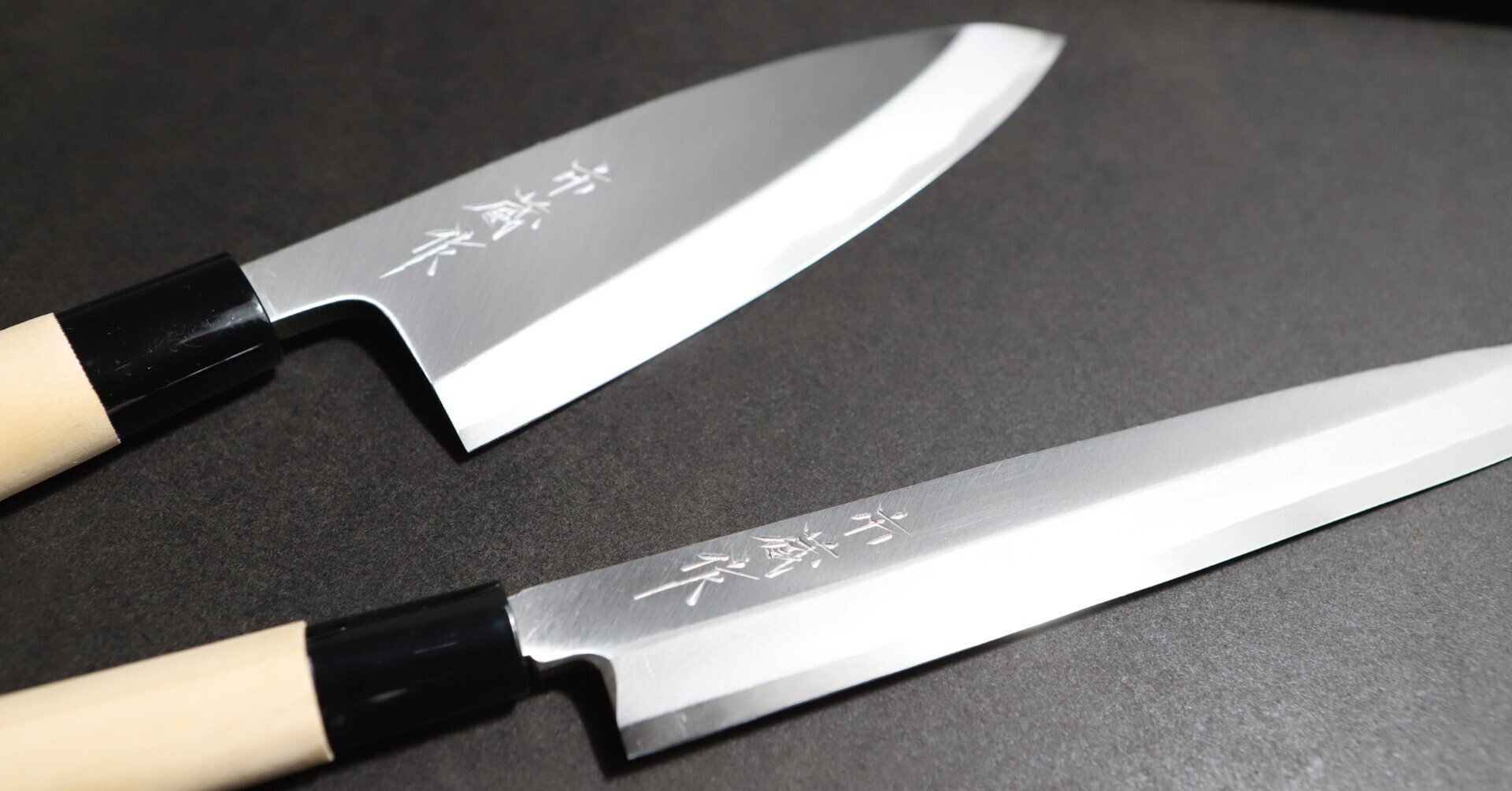
Japanese knives have become the aspiration of chefs and cooking enthusiasts around the globe.
Their popularity is not a passing trend — it continues to grow steadily, year after year. So what makes them so special? The answer lies in a unique convergence of technology, culture, and the spirit of master craftsmen.
Sharpness and Precision That Amaze the World
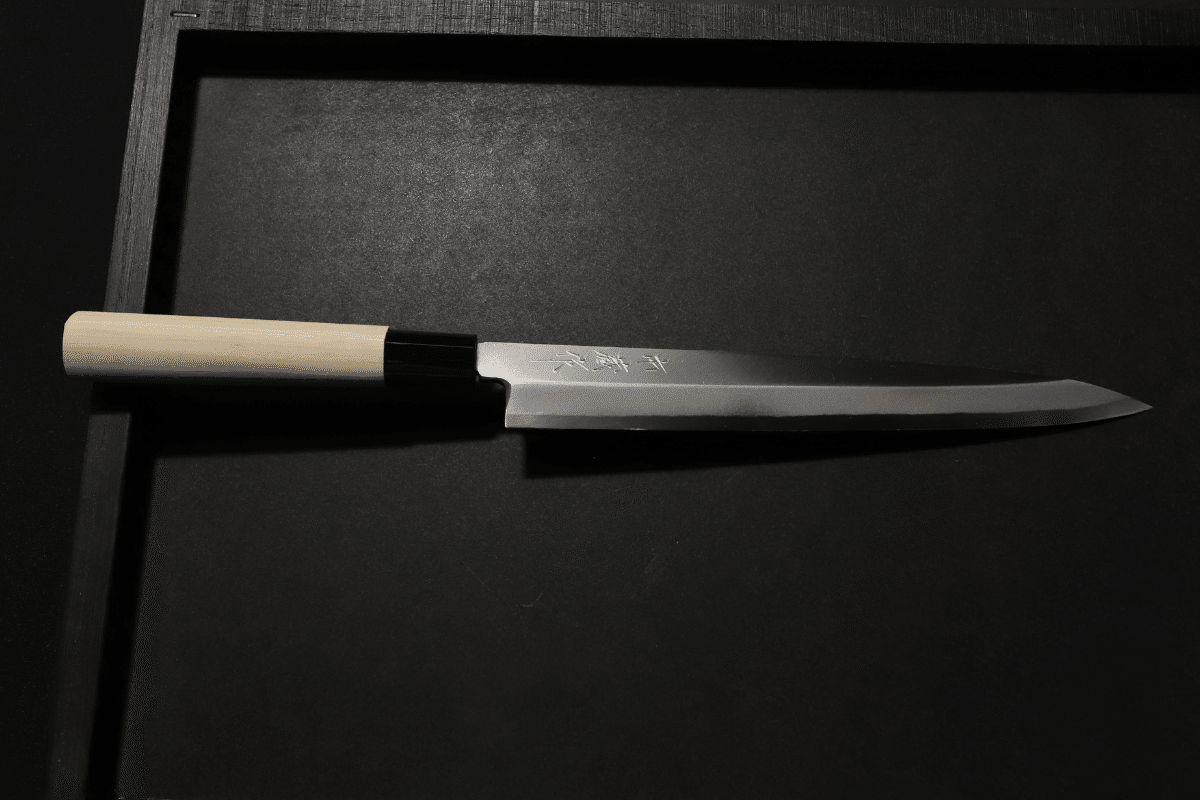
When world-class chefs and home cooks first pick up a Japanese knife, what strikes them most is the extraordinary sharpness and precision. The blade glides through ingredients effortlessly, producing a cut surface so smooth it almost mirrors light. This difference is especially noticeable in dishes like sashimi and sushi, where freshness and presentation are everything.
By using high-carbon steel or premium stainless steel and honing the blade to a much sharper angle than typical Western knives, Japanese knives enable remarkably delicate cuts. The carefully calibrated balance between blade hardness and ease of sharpening also means the edge holds up even through extended use.
Every knife offered by Ichizo Hamono Honpo embodies this commitment to precision. Each blade is hand-sharpened by skilled artisans — not just to be sharp, but to serve as a tool that elevates the beauty of every dish.
A Craft Heritage Rooted in Swordsmithing
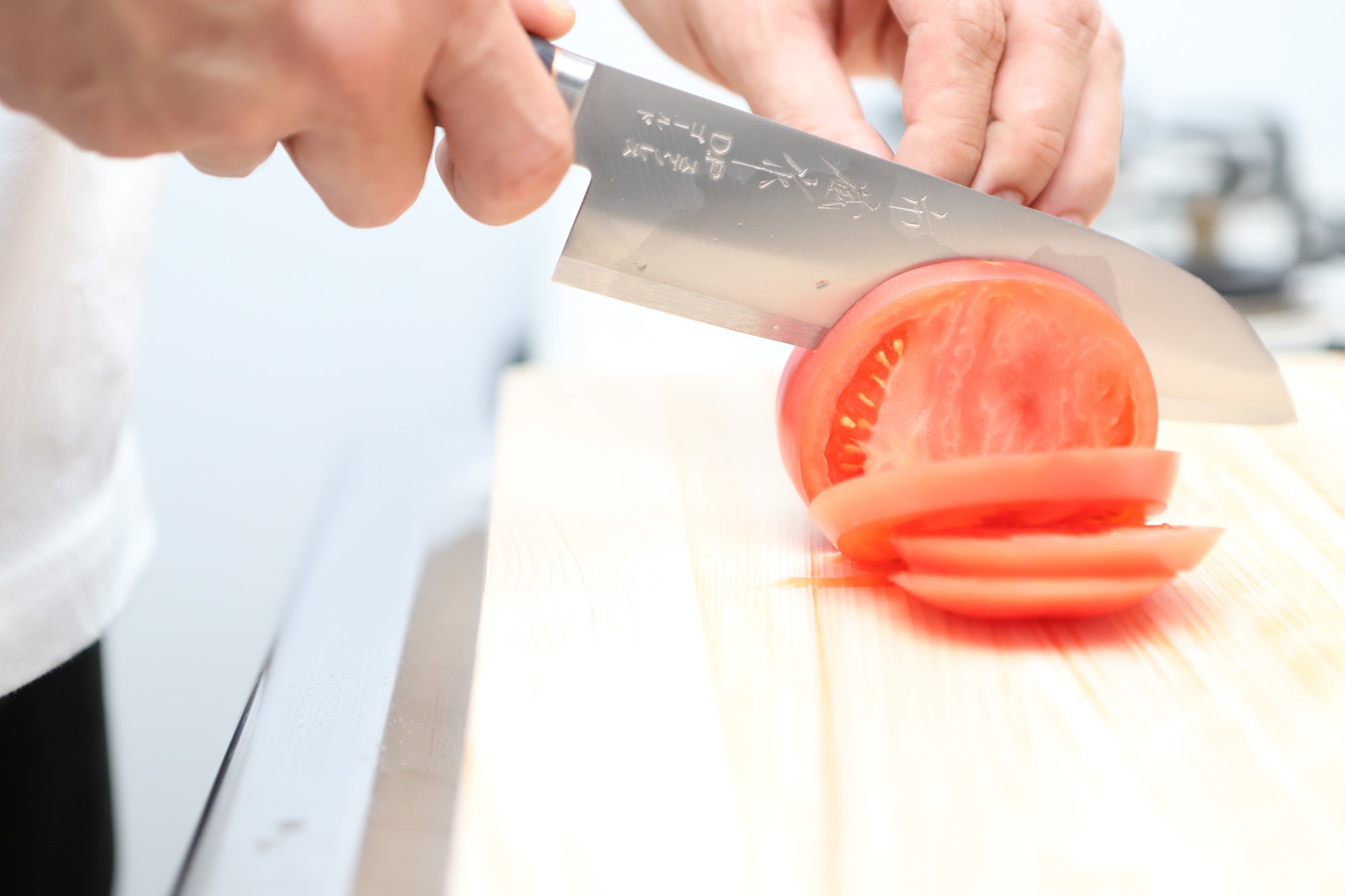
Behind every Japanese knife lies centuries of swordsmithing tradition. The origins trace back to an era when the katana was considered the soul of the samurai. Techniques such as orikaeshi tanren — the repeated folding and forging of steel to remove impurities — and the precise control of quenching and tempering to balance hardness and toughness were perfected by swordsmiths who dedicated their lives to the craft.
When the Haitōrei (Sword Abolishment Edict) of the Meiji era drastically reduced demand for swords, many master swordsmiths transitioned to making kitchen knives and agricultural tools. The deep knowledge of metallurgy and hand-forging techniques they had cultivated was carried directly into knife production, where it endures to this day.
Across Japan, renowned knife-producing regions such as Seki (Gifu), Sakai (Osaka), Miki (Hyogo), and Tsubame-Sanjo (Niigata) developed on the foundation of these swordsmithing traditions. In these areas, craftsmen still select steel by eye, control the forge by instinct, and finish each blade by hand.
This is why Japanese knives are valued worldwide not merely as cooking tools, but as cultural artifacts born from centuries of human craftsmanship.
Design That Unites Function and Beauty
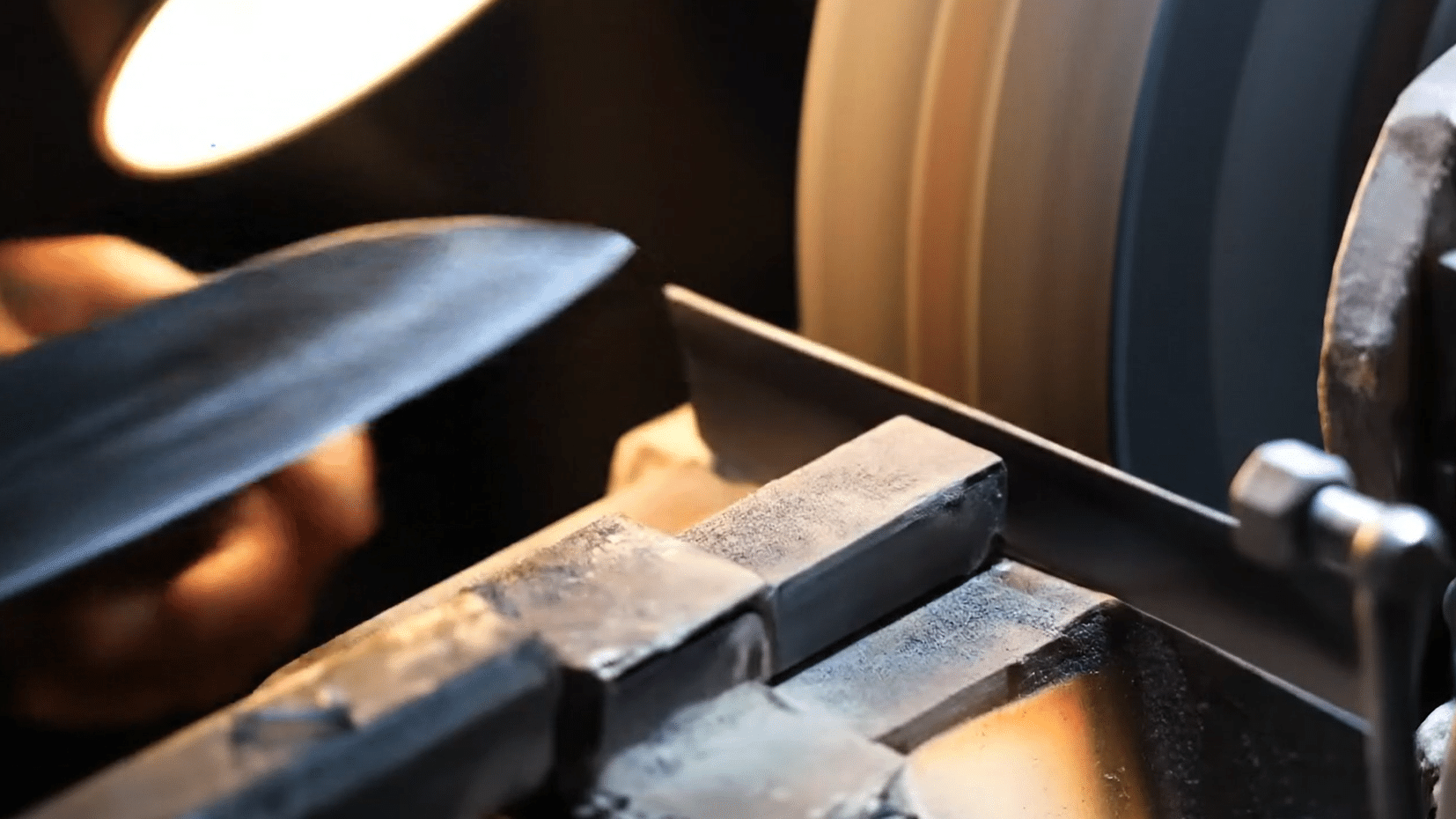
The appeal of Japanese knives goes beyond sharpness and precision. The seamless fusion of practicality and aesthetics is another key reason they captivate chefs and enthusiasts worldwide.
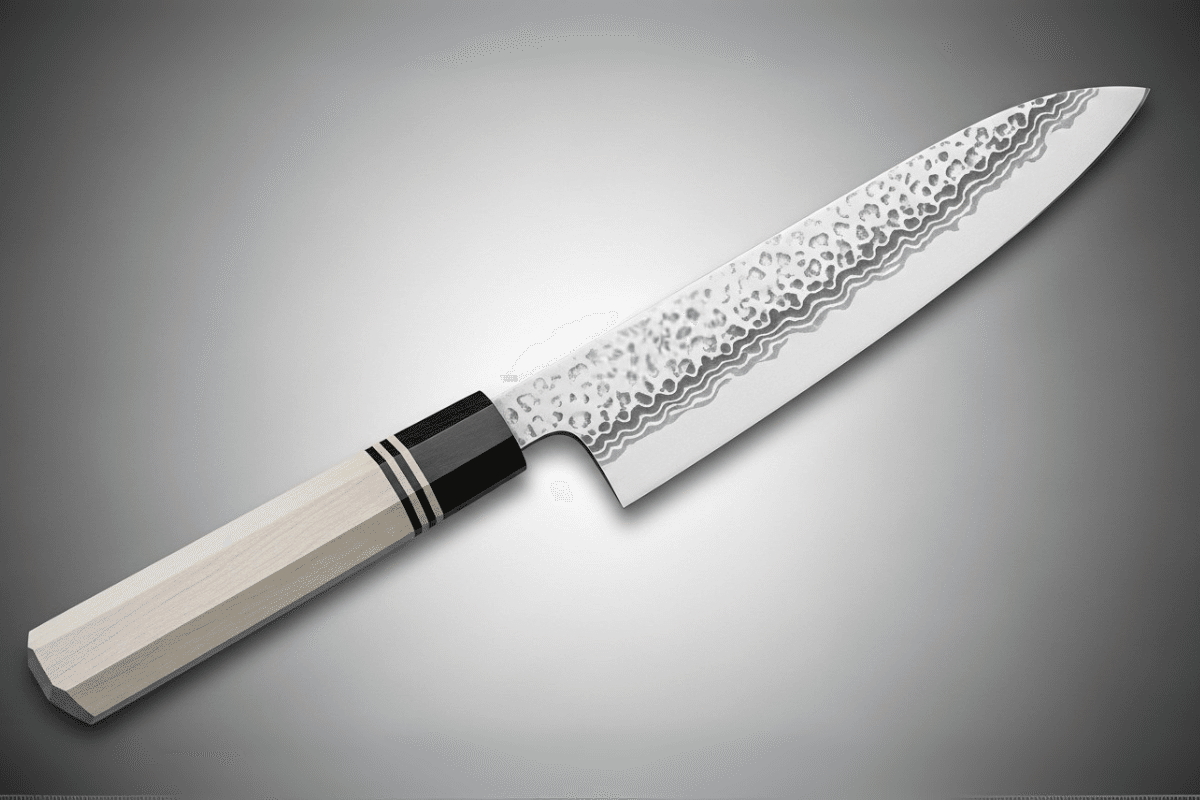
Blades may feature tsuchime (hammer-finished) textures that prevent food from sticking, or flowing Damascus patterns that are as functional as they are beautiful. These design elements reduce friction during cutting while adding a striking visual character.
Handles are crafted from natural materials such as wood and water buffalo horn, shaped to fit the hand comfortably. Even during hours of continuous use, the ergonomic design minimizes fatigue and provides a reassuring sense of stability.
These details are not mere decoration — they are the accumulated wisdom of generations of craftsmen. As a result, Japanese knives are celebrated as tools that only become more compelling the longer you use them.
A Growing Presence on the World Stage
Japanese knives have established a firm foothold not only in Japan but across international markets. Demand spans Asia, Europe, and North America, with countries like the United States, Canada, and the Netherlands embracing them as central players in the premium knife market.
At international culinary competitions and in the kitchens of Michelin-starred restaurants, it is increasingly common to see chefs reaching for Japanese knives. The combination of sharpness, durability, and beauty has earned unwavering trust among professionals.
In recent years, social media and video platforms have also introduced Japanese knives to a broader consumer audience. Mesmerizing footage of flawless cuts and light dancing off a polished blade has captured the imagination of cooking enthusiasts everywhere.
International market research projects annual growth of over 7% for Japanese knives, reflecting a demand that goes beyond mere utility — it is recognition of their value as symbols of culture and craftsmanship.

How Japanese Knives Differ from Western Knives
Japanese and Western knives may look similar at first glance, but their design philosophies and intended uses are fundamentally different.
Western chef's knives are built with thickness and weight to power through tough ingredients like meat and bone, prioritizing durability above all. Japanese knives, by contrast, feature thin, acutely sharpened blades designed to cut without crushing, producing exceptionally smooth surfaces.
The blade geometry and sharpening methods also diverge. Western knives are typically double-beveled and symmetrically ground, making them easy to use regardless of the dominant hand. Many Japanese knives, however, are single-beveled — especially specialized types like the yanagiba (sashimi knife) and deba — where one side is ground to an acute angle for unmatched cutting accuracy.
In terms of materials, Japanese knives favor high-carbon steel and premium stainless steel for superior edge retention. In professional kitchens, the common practice is to use Western knives for heavy-duty tasks and Japanese knives for delicate finishing work.
These differences in design philosophy reflect the distinct food cultures and cooking styles of each tradition. Japanese knives are, in essence, an embodiment of Japan's unique culinary heritage.
A Culture of Caring for Your Tools
Maintaining the razor-sharp edge and beautiful finish of a Japanese knife requires proper care. This is more than routine maintenance — it is deeply connected to the Japanese philosophy of treasuring and respecting the things you own.
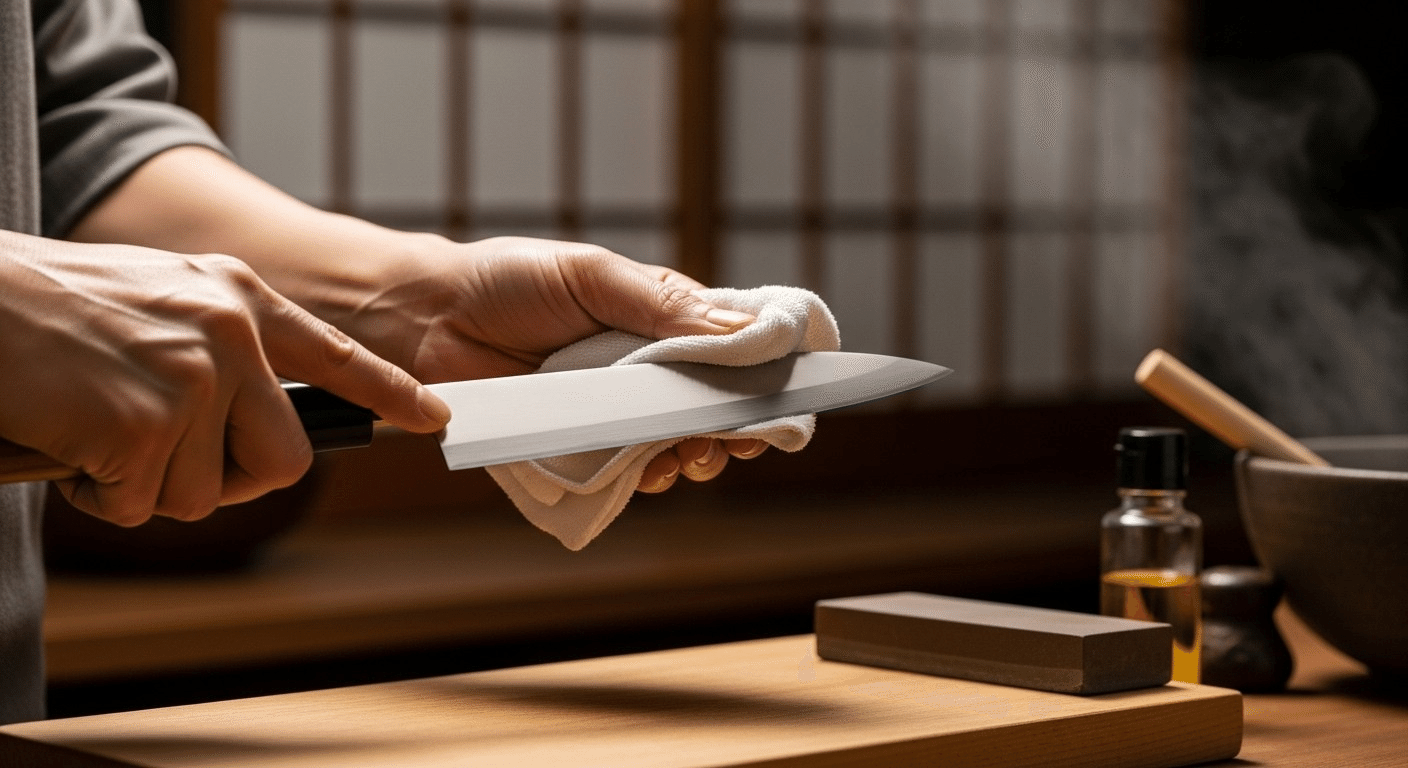
After each use, the knife should be washed immediately and dried thoroughly with a cloth. High-carbon steel knives are particularly susceptible to rust, so a thin coating of oil before storage is recommended. To protect the blade, using a wooden cutting board or one made of a similarly soft material is advised.
In Japan, there is a longstanding tradition of regularly sharpening knives on whetstones. Honing the edge to the thinness of a single sheet of paper requires considerable skill, yet many home cooks take pride in doing it themselves. This practice is akin to nurturing a tool — it fosters a special bond between the user and the knife.
A well-maintained knife can last for years, even decades. It becomes a companion throughout a cook's culinary journey, sometimes passed down to family members or apprentices.
One of the reasons Japanese knives are loved around the world is that this spirit of long-term, devoted care is woven into the very essence of the tool itself.
Conclusion
Why have Japanese knives earned such worldwide acclaim? The answer extends far beyond their exceptional sharpness and precision. It encompasses the artisan techniques inherited from swordsmiths, the design philosophy that marries function with beauty, and the culture of cherishing tools over a lifetime. Within a single knife, centuries of history and human craftsmanship converge.
For anyone who cooks, a Japanese knife offers an experience that transcends the simple act of cutting. It draws out the fullest flavor and beauty of every ingredient, elevating the entire culinary experience. Once you have felt that difference, it stays with you.
If you have never used a Japanese knife, we invite you to experience the sharpness and the warmth of handcrafted tradition for yourself. It just might change the way you approach cooking.