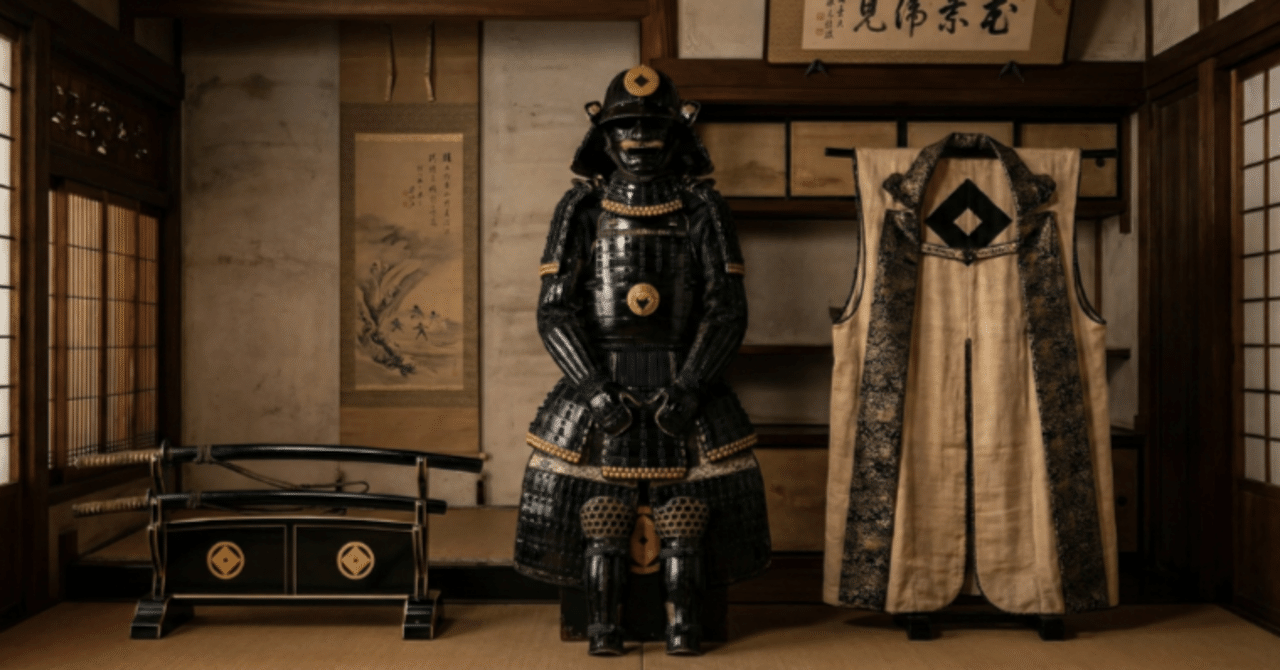
A single kitchen knife. It may seem like a simple tool, but within it lives something far greater — the history, the people, and the deep respect for craft that have been passed down through generations in the Banshu region of Hyogo Prefecture, Japan.
This is the story of "Ichizo" — a name we are committed to honoring, and determined to share with the world.
The Origins of Banshu Ono and the "Razor Sickle"
The story begins in the final years of the Edo period.
In a region once governed by the Hitoyanagi clan, lords of the Ono domain, there lived a master craftsman who had inherited the techniques of the Japanese swordsmith. His name was Fujiwara Isuke. Rather than forge blades for warriors, he turned his skill toward a humbler implement: the farming sickle. The result was a tool unlike any other — a sickle with an edge as keen as a straight razor, earning it the name kamisori-gama, the "razor sickle."
"The more you sharpen it, the better it cuts."
That reputation spread quickly across Japan. Banshu Ono began its journey as one of the country's foremost towns of bladed craftsmanship, a legacy rooted in the traditions of swordsmithing and shaped by the needs of everyday life.

The Name "Ichizo" and the Pride It Carries
In the Meiji era, there was a man in this region known simply as Ichizo. He was well-regarded as a philanthropist — someone who gave generously to local shrines and temples and devoted himself to the people around him. His integrity left a deep impression on the community's collective memory.
After World War II, as Japan rebuilt and the blade industry found new life, the founder of what would become the Ichizo brand was searching for a name worthy of the finest quality knives he intended to make.
"If it bears that man's name, it cannot fail."
And so "Ichizo" was chosen. It was never simply a trademark. It was a pledge — a promise of absolute responsibility for quality, and of enduring love for the region that made it possible.
The Golden Age of Carpentry Tools — and the Move to Kitchen Knives
"A tool bearing the Ichizo name will never betray the person who uses it."
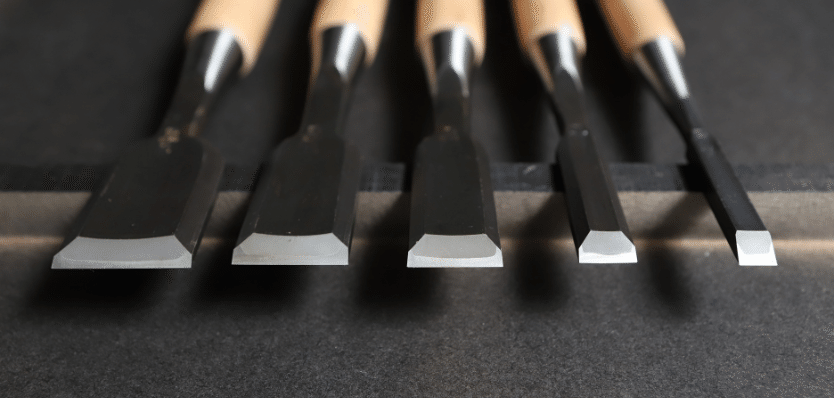
That trust became a matter of certainty among Japan's most discerning professional carpenters. Planes and chisels stamped with the Ichizo mark were objects of pride — tools that craftsmen held onto for years, even decades, because nothing else quite matched them.
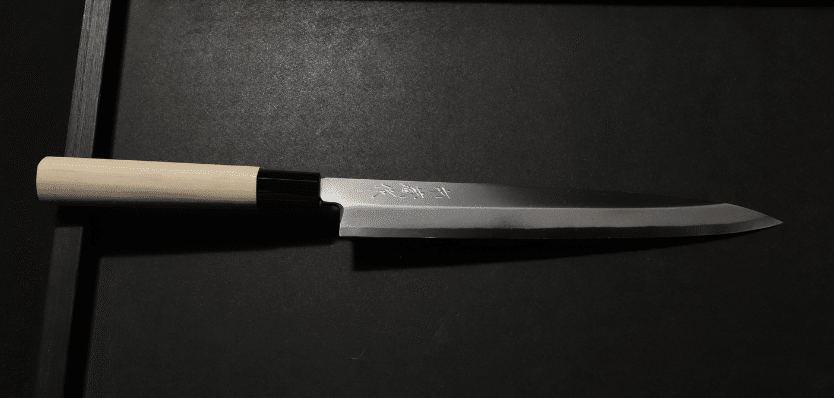
In time, that same craftsmanship was applied to blades for the home kitchen. The goal was straightforward: to bring professional-grade sharpness to the everyday cook. The durability and precision that allowed Ichizo tools to shape hardwood with control and finesse turned out to be exactly what a good kitchen knife demands — strength, edge retention, and a cut that feels effortless.
Passing On the Noren — Continuing the Tradition
But time brings change. The rise of mass production and shifting lifestyles created pressure on traditional blade makers across Japan. Ichizo, too, reached a moment of reckoning — a question of how to carry forward a storied name into a different era.
"I want to carry this flame further — to more people, in more places."
The person who stepped forward was not a knife maker by trade. He came from a different world entirely. But he was moved by the weight of what Ichizo had built, and by the dedication of the craftspeople behind it. He approached the previous owner with a simple request:
"Please allow me to carry on the noren."
Before any formal discussion, he visited the grave of the brand's founder and bowed in respect. That gesture said everything. The previous owner, seeing the sincerity in that act, was certain: this person will protect not just the brand, but its heart. And so, after 70 years, the noren — the symbolic curtain of a Japanese business, representing its name and honor — was passed on.
Toward the Next Hundred Years
Ichizo is now writing the next chapter of its story.
From the domain of the Hitoyanagi clan, to Fujiwara Isuke's razor sickle, to the Meiji-era philanthropist whose name became a promise, to the postwar craftsmen who built a reputation in professional workshops across Japan — all of it lives in what Ichizo makes today.
Our purpose is to bring that tradition to people around the world who value the genuine article. Every knife that leaves our hands carries more than 200 years of accumulated knowledge, intention, and care.
When you hold an Ichizo knife, you become part of that lineage. A new hand in a long chain of hands.
One strike of the hammer, one pass of the whetstone — made with full attention. That is how we continue to forge new history, blade by blade.