At the end of the year, Japanese households clean the whole house. Windows are wiped, shelves dusted, kitchen grease scrubbed away. Today this is simply called the big clean. It was once called susuharai, sweeping away the soot, and it even had a fixed date. What was the year-end cleaning really meant to sweep away?
Soot-sweeping on December 13
The word susuhaki, soot-sweeping, already appears in the Engishiki, a set of court regulations completed in 927. The Azuma Kagami, a chronicle of the Kamakura shogunate, records a debate in late 1236 over which day the palace soot-sweeping should be held.
In the early Edo period the date was December 20, but under Tokugawa Ietsuna, the fourth shogun, it was moved to the 13th. From Edo Castle down, the 13th became the set day for soot-sweeping, and ordinary households followed.
The start of New Year preparations
December 13 was originally the day people entered a period of ritual abstinence to prepare for the toshigami, the god of the new year who visits each home. In many places it was also the day to bring pine branches down from the hills for New Year decorations, or to pound rice for the holidays.
Some places called the day the soot festival or the soot new year. The household shrine shelf and the pot hook over the hearth were cleaned with special care, and in some regions fish and simmered vegetables were offered to the god of soot. Afterwards, people lit a lamp at the shrine and offered rice cooked with red beans, or dumplings. Soot-sweeping was not just cleaning. It was an important turning point for sweeping away the bad luck of the past year.
Even the brooms were sacred
To reach the soot on the ceiling, people used a bamboo pole with its leafy branches left on the end, called susutake, soot bamboo. Peddlers walked the streets selling it.
Once used, the soot bamboo and brooms were not simply thrown away. In many places they were left at a crossroads and burned in the fire festival of Little New Year in mid-January. In some regions, a pole tipped with a bundle of straw used for the cleaning became a resting place for the toshigami. In parts of northeastern Japan it was called the soot man, stood up in the yard at New Year and hung with a sacred straw rope. The tools that purified the house were treated with care themselves.
A day to rest the tools
Around the same time, there are customs for thanking tools. On December 8 or February 8, people have long held hari-kuyo, a memorial for needles, pushing broken and worn-out needles into soft tofu or konnyaku jelly and resting from sewing for the day. In the Kanto region it is often held on both dates, in Kansai and Kyushu on December 8.
The two 8th days are known together as koto-yoka. Koto means a small festival, and these were originally days of abstinence, spent quietly at home. Some households hung a basket high under the eaves or fixed holly by the door to keep away demons said to visit on that day. How the needle memorial spread across Japan is not certain. One account credits wandering preachers of the Awashima Shrine in Wakayama; another says it took root at sewing schools, where students prayed for their skills to improve.
In Miki, a town known for its blades, the Fuigo Matsuri is held on the first Sunday of December. Blacksmiths give thanks to the fire and their tools, and old blades are laid to rest at a memorial for knives (The Bellows Festival).
Cleaning moves closer to New Year
Today, most households clean around December 25, just before putting up New Year decorations, or on the 29th or 30th, when the holidays begin. The meaning has shifted too, from sweeping away bad luck toward the practical job of getting rid of dirt. Even so, December 13 is still known as the day New Year preparations begin.
Add your tools to the year-end clean
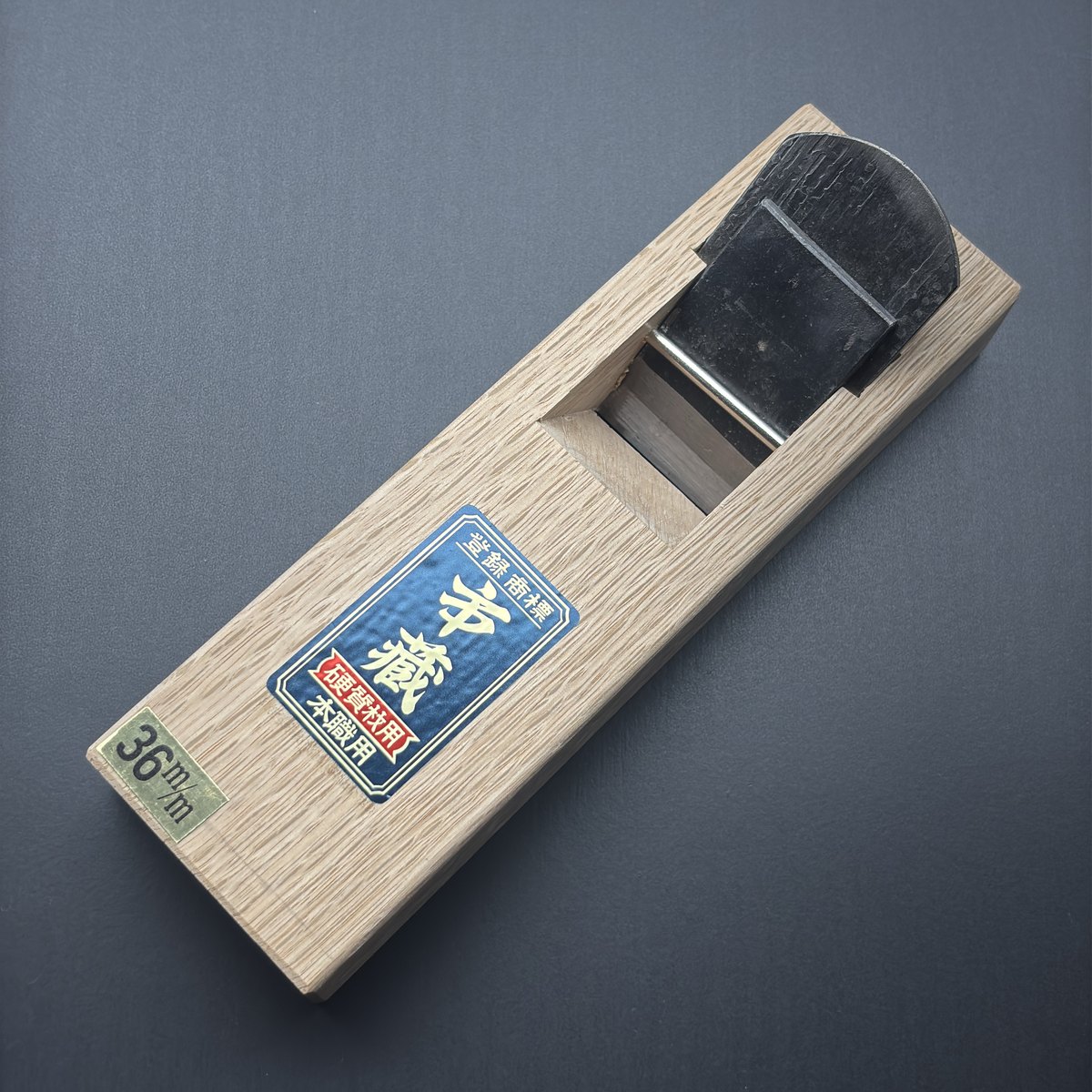
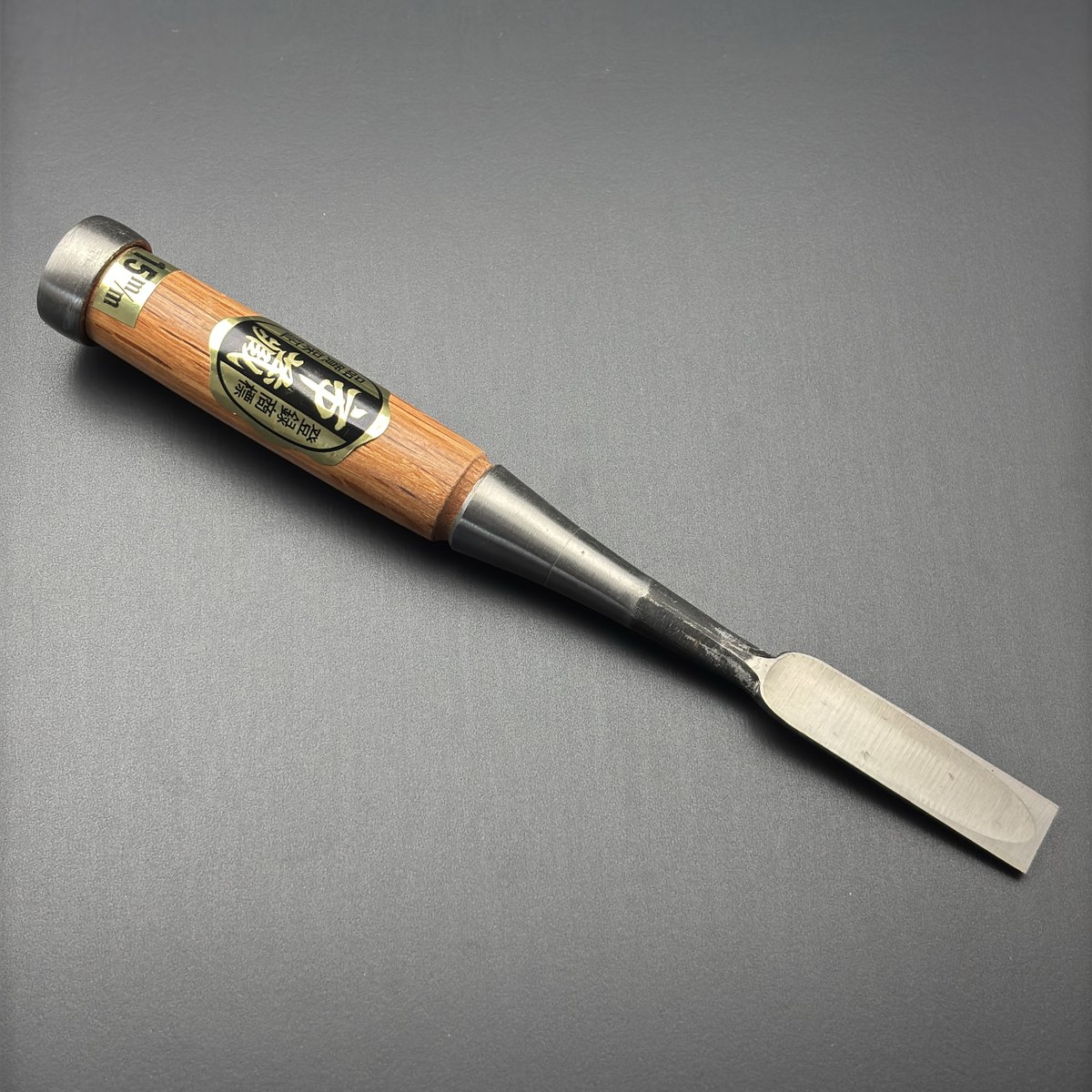
This year, pick up your kitchen knives, and any chisels or planes in the shed, as part of the clean. After washing a knife, wipe it dry and let it dry fully before putting it away. Carbon steel blades rust especially easily. If the edge has dulled, sharpen it before the year ends (Japanese Whetstones).
For chisels and planes you will not use for a while, a thin coat of oil on the blade helps prevent rust. Clean the tools that worked for you all year, then welcome the new one.