2026.11.25
Susuharai and Tool Care
Japan's year-end clean began as soot-sweeping on December 13. What it meant, and caring for your tools.
Read more
Inherited sharpness.
Inherited sharpness.
Putting soul into every strike, every grind.
We do not simply sell cutlery.
Over seventy years,
we deliver "trust" itself, built together with our community.
The sweat of craftsmen and the joy of users.
Weaving the stories that connect them
is Ichizo's mission.

Japan's year-end clean began as soot-sweeping on December 13. What it meant, and caring for your tools.
Read more
The name cut into Japanese swords and knives, the rules behind it, and how people kept it alive.
Read more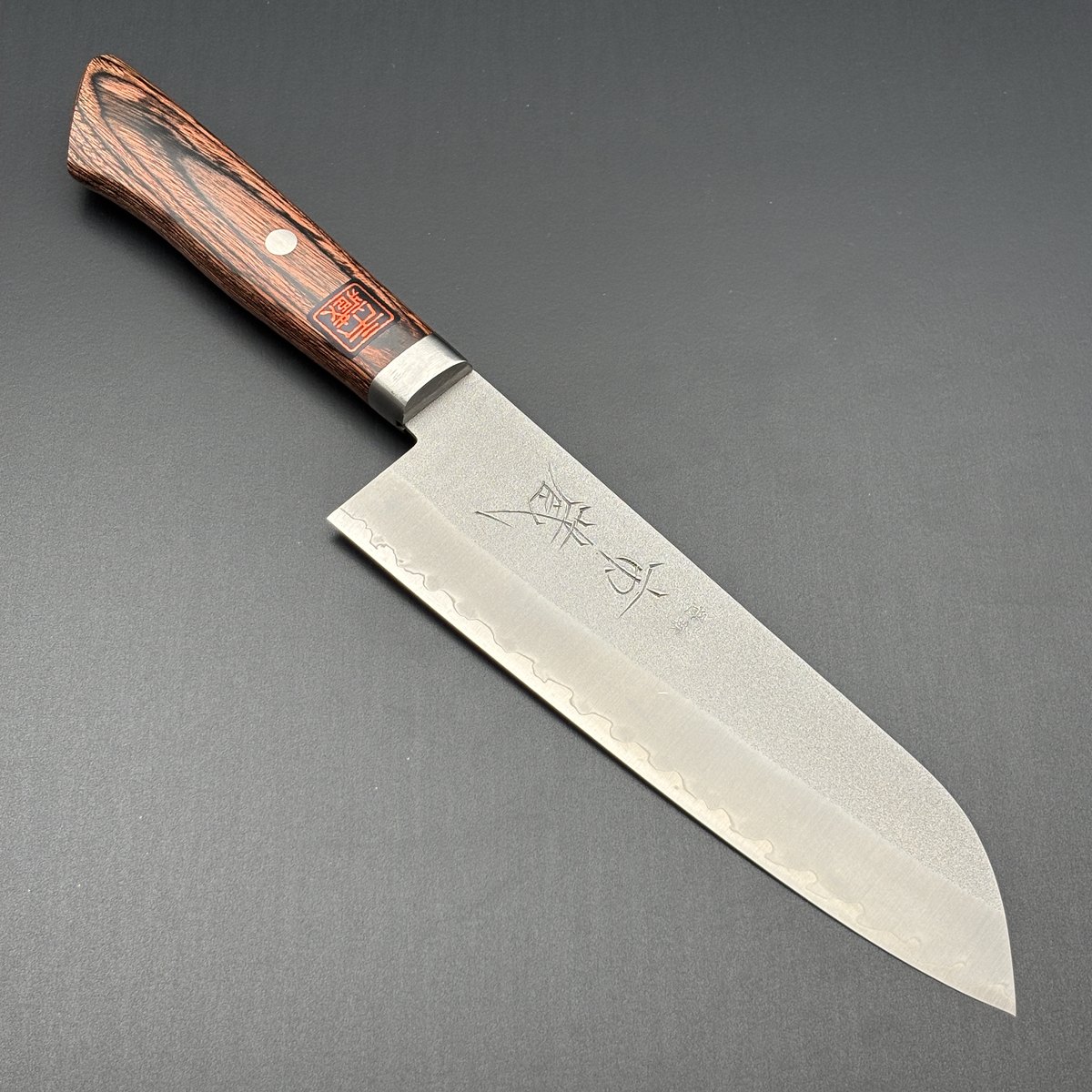
VG10, a stainless knife steel born in Echizen. What is in it, how it behaves, and how to care for it.
Read more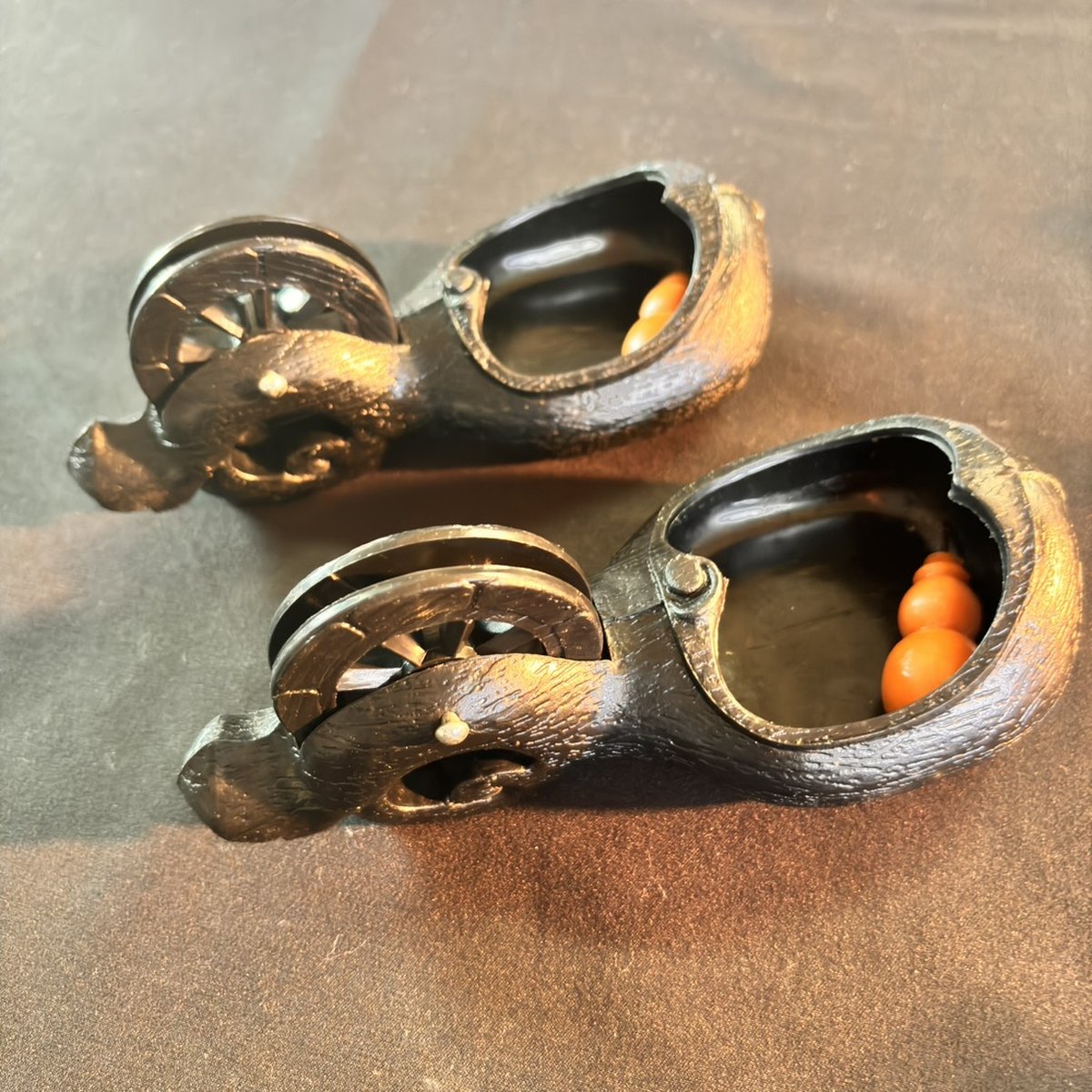
The sumitsubo snaps a straight line with a single cord. How it works, and how its shape changed.
Read more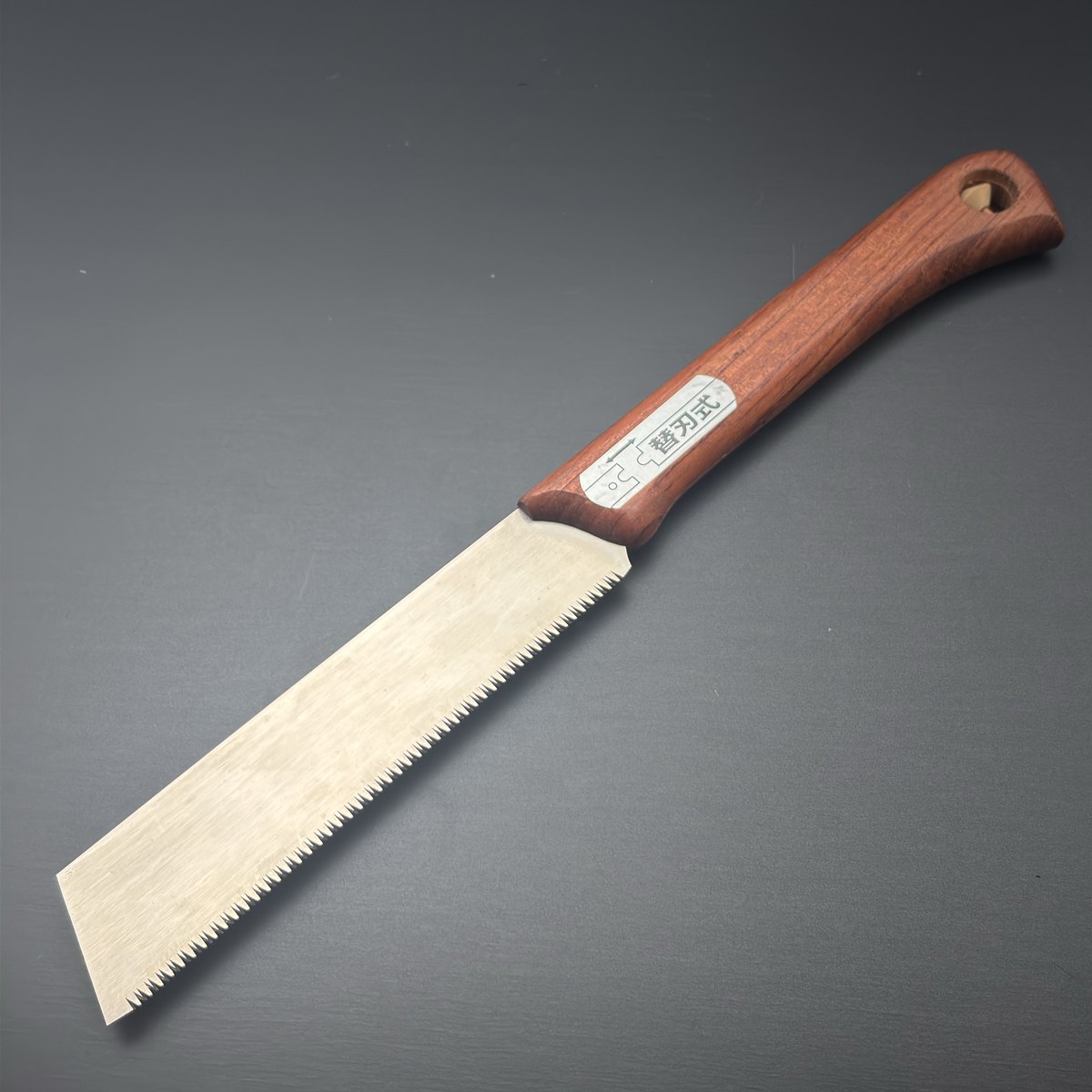
Japanese saws cut on the pull. A look at why, and at the history and shape of the saw.
Read more
Iron sand and charcoal in a clay furnace: the story of tatara ironmaking and tamahagane, the steel of the sword.
Read more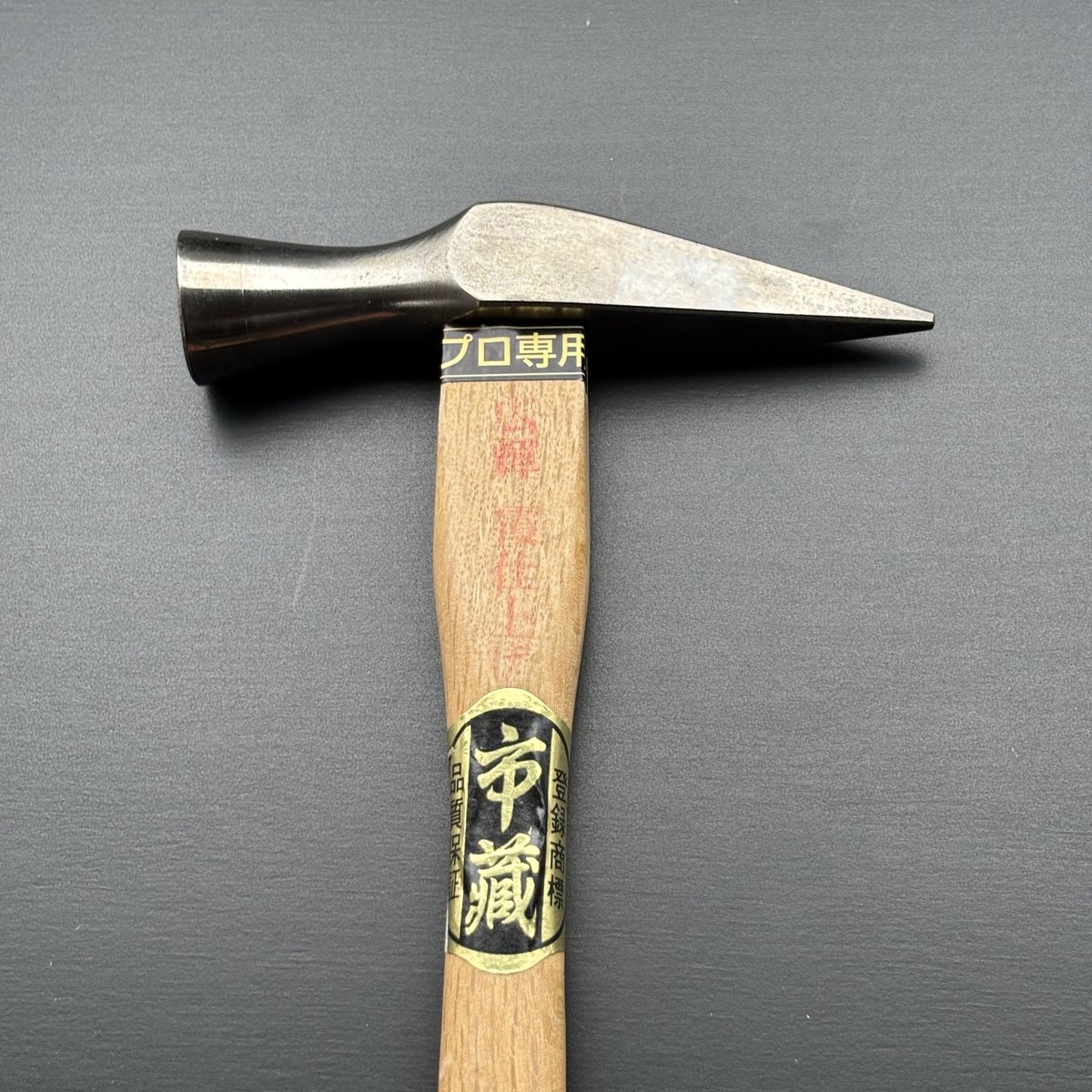
Swordsmiths and the village smiths who mended farm tools: how Japan's smiths divided by what they made.
Read more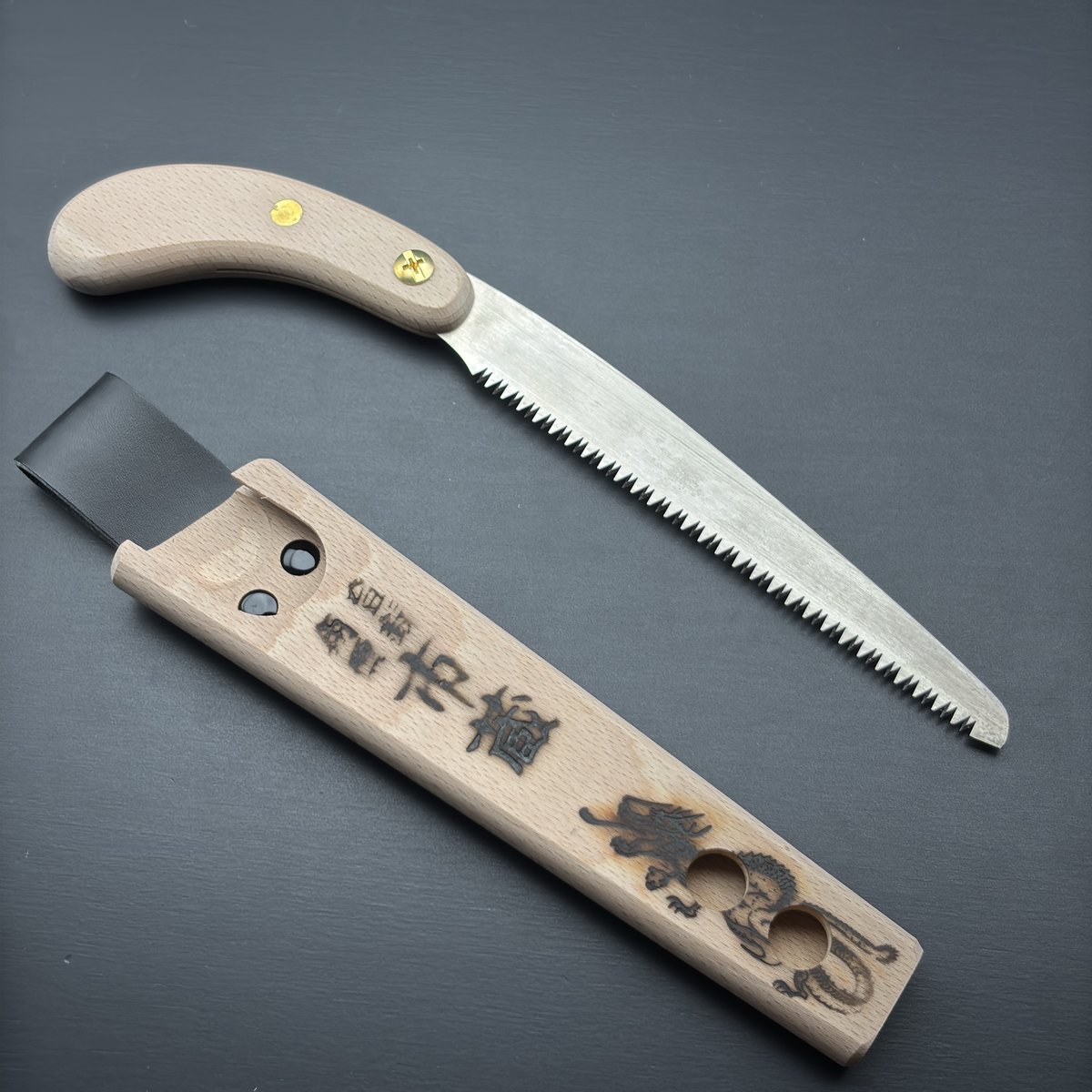
Saws, shears and root sickles: the history of bonsai and the blades used to shape a tree in a pot.
Read more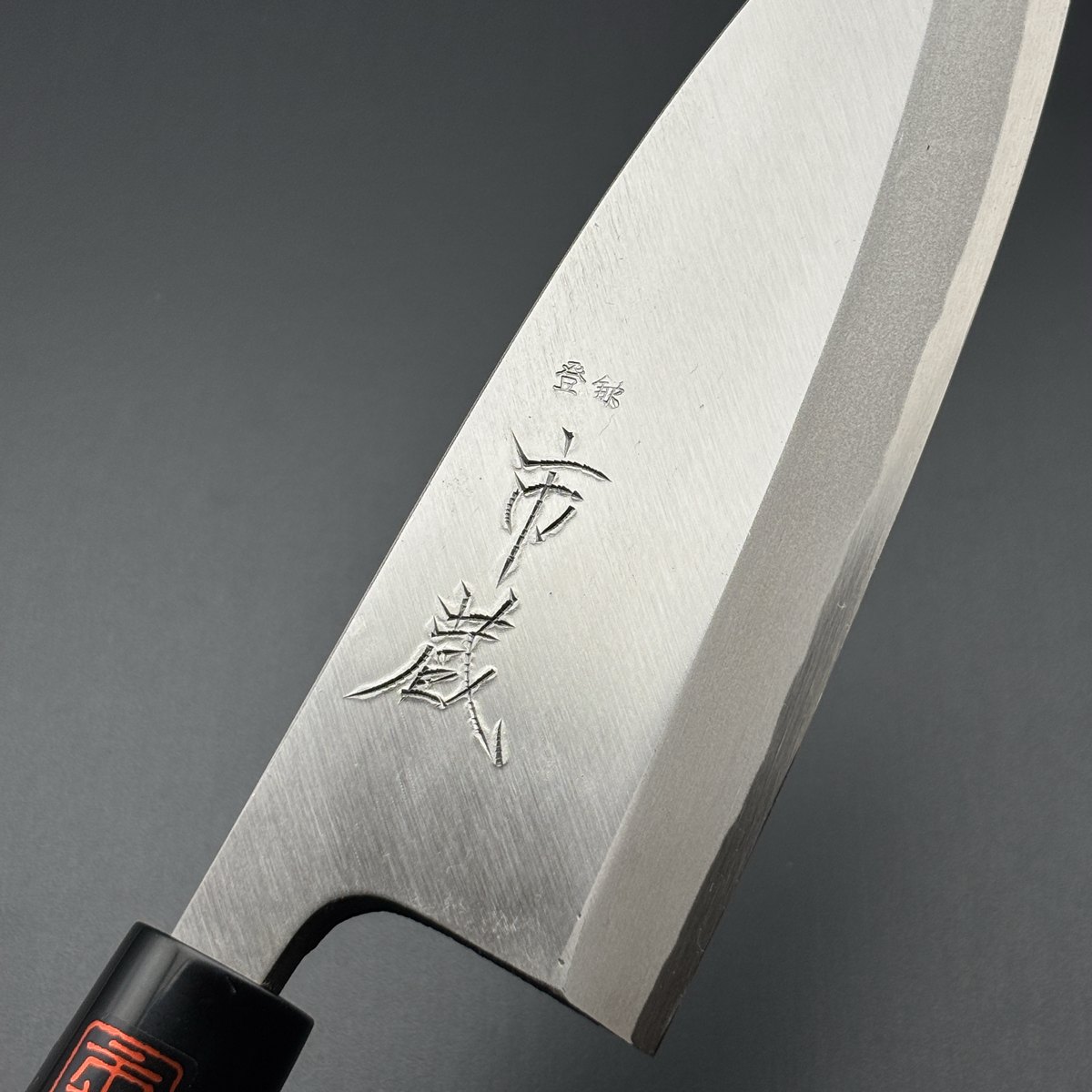
Why the deba is single-bevel and the santoku double-bevel: the word katana, the history of the sword, and how each knife is made.
Read more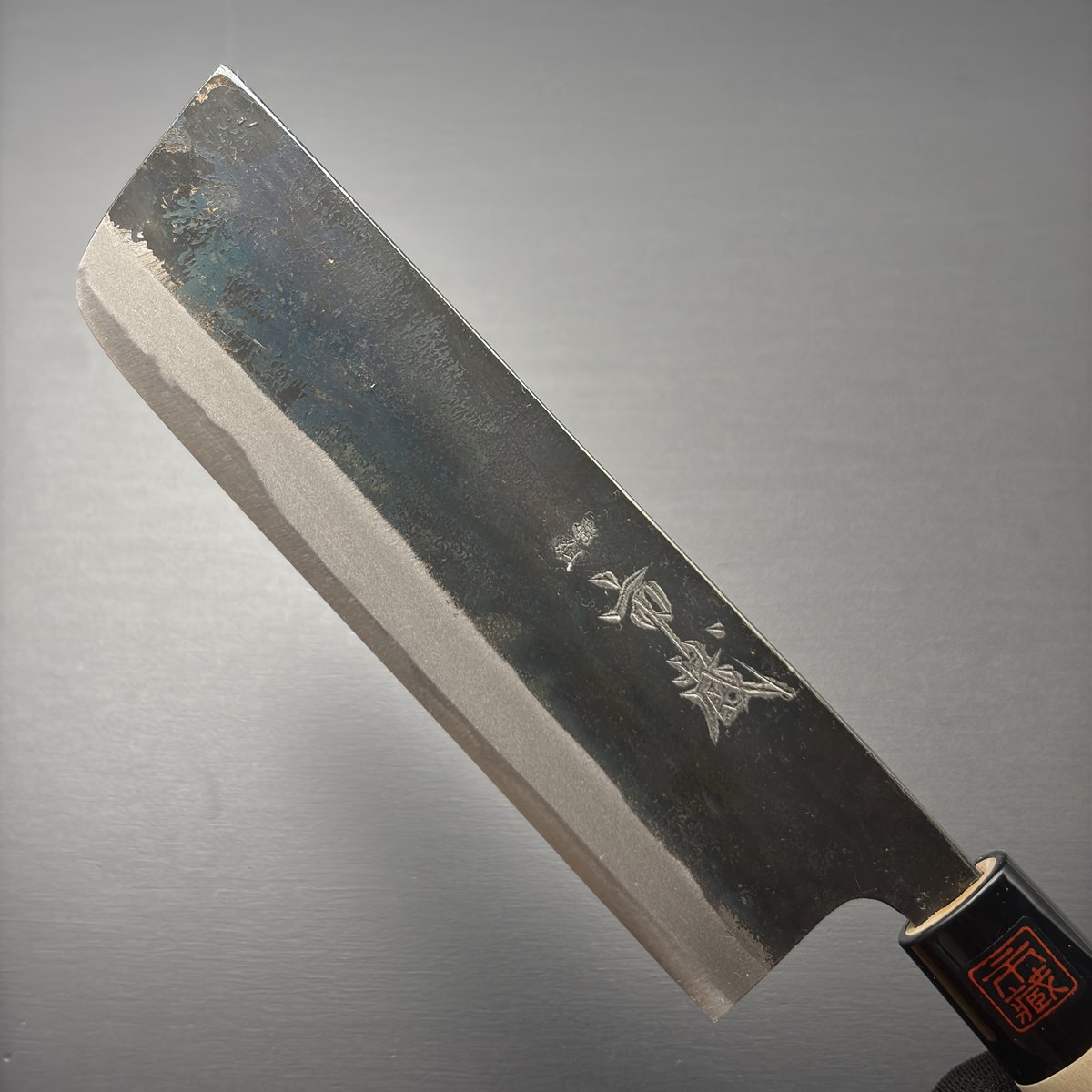
Coarse, medium and finishing stones: why a Japanese blade is sharpened from coarse to fine, and the places the stones came from.
Read more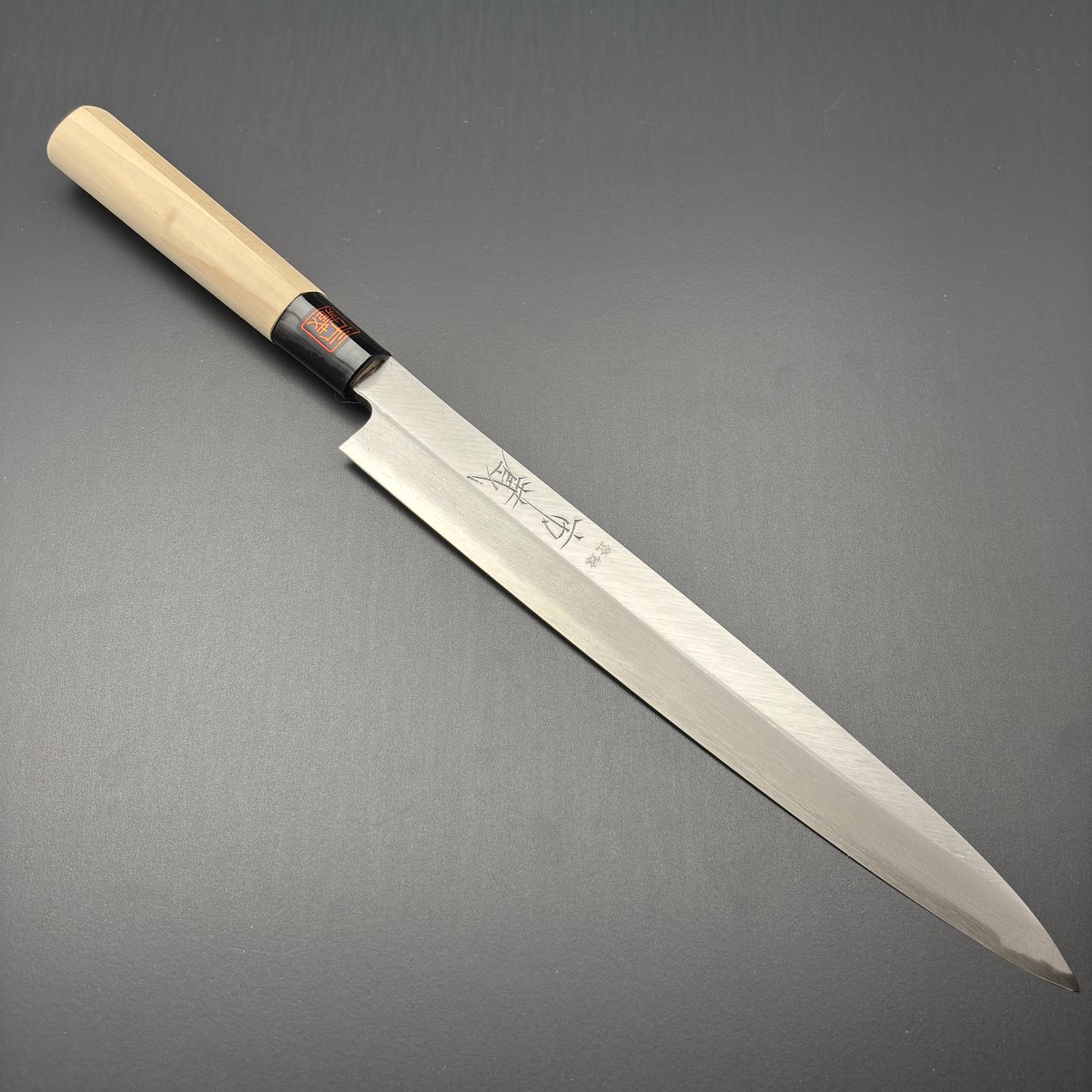
A cook, a knife and a pair of chopsticks: how the everyday work of cutting fish became a Japanese ritual.
Read more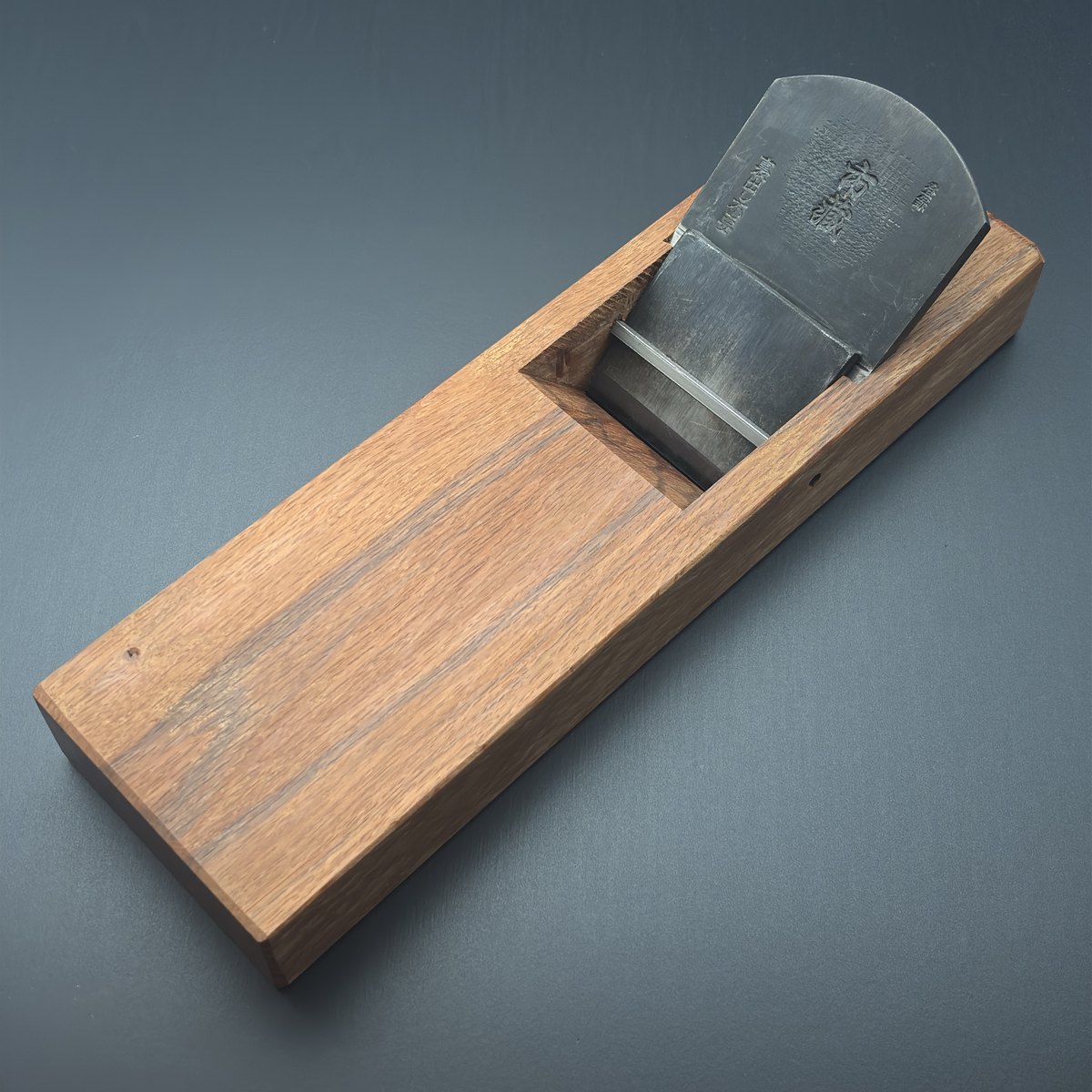
Clean bellows, oranges from upstairs windows, and winter fire rites: the blacksmiths' festival that continues in Miki.
Read more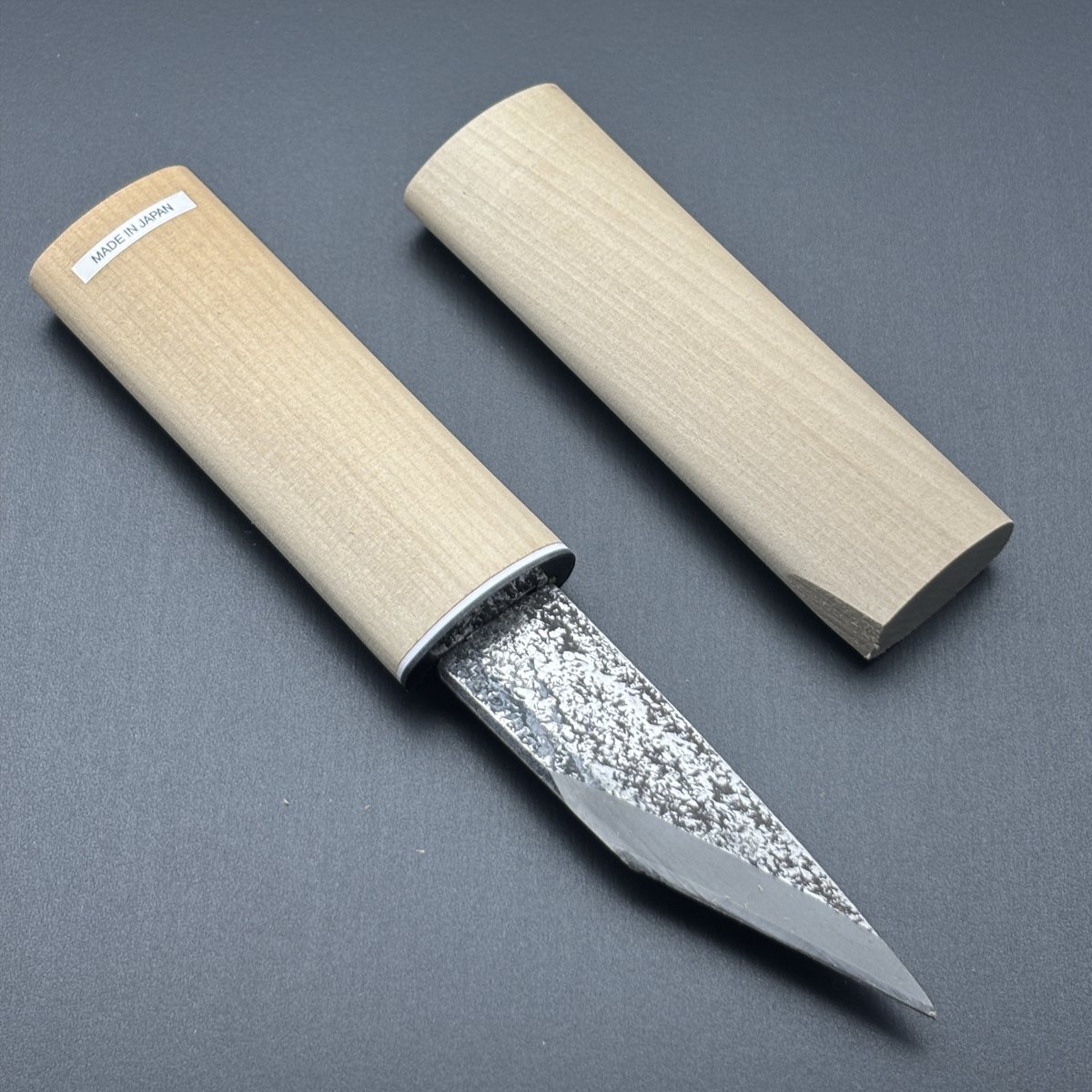
How the tea scoop moved from ivory to bamboo, why tea masters carved their own, and the bamboo whisk: the small blades behind the tools of tea.
Read more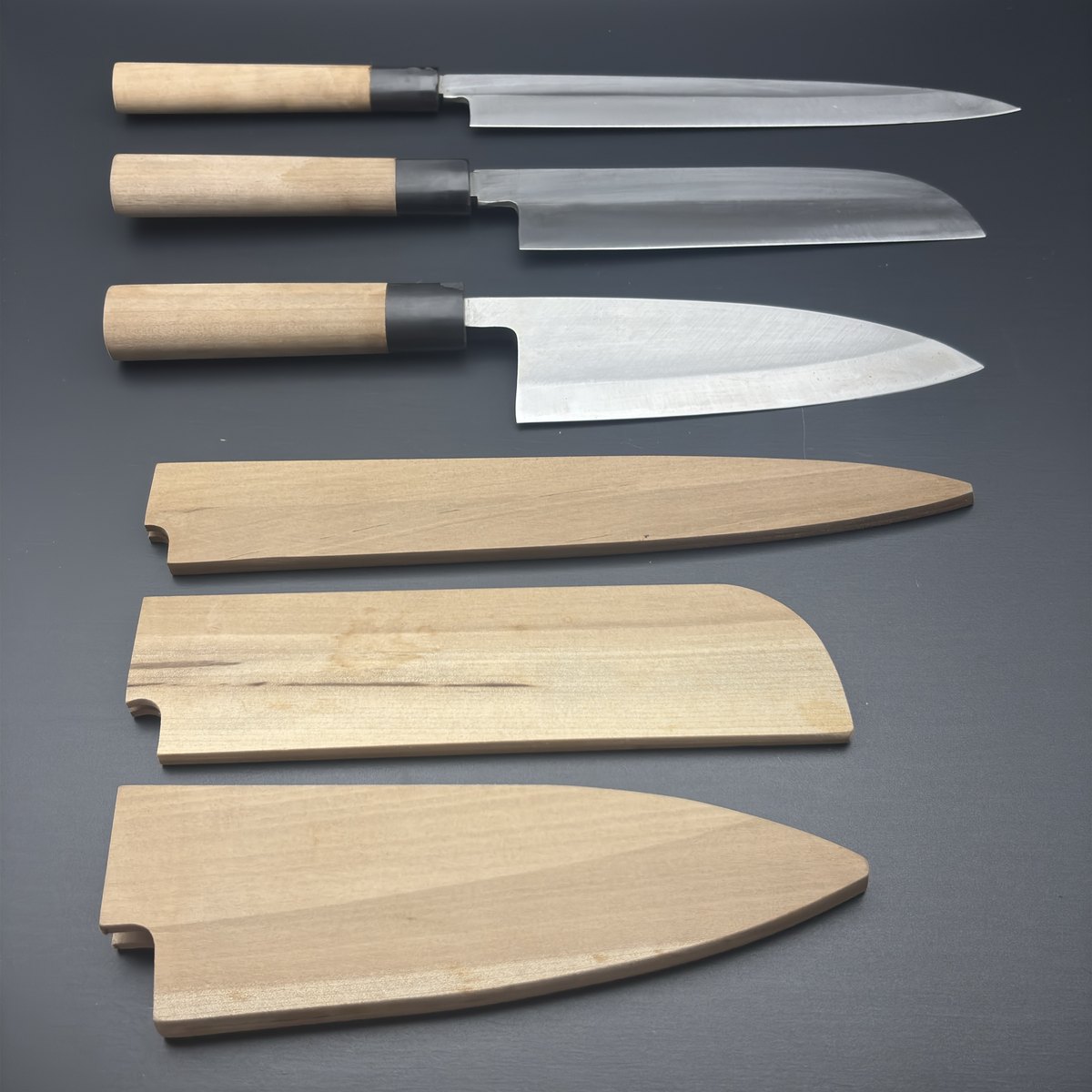
From namasu to sashimi, the deba and the yanagiba, and the bone-cutting of hamo: why Japan made separate knives for fish.
Read more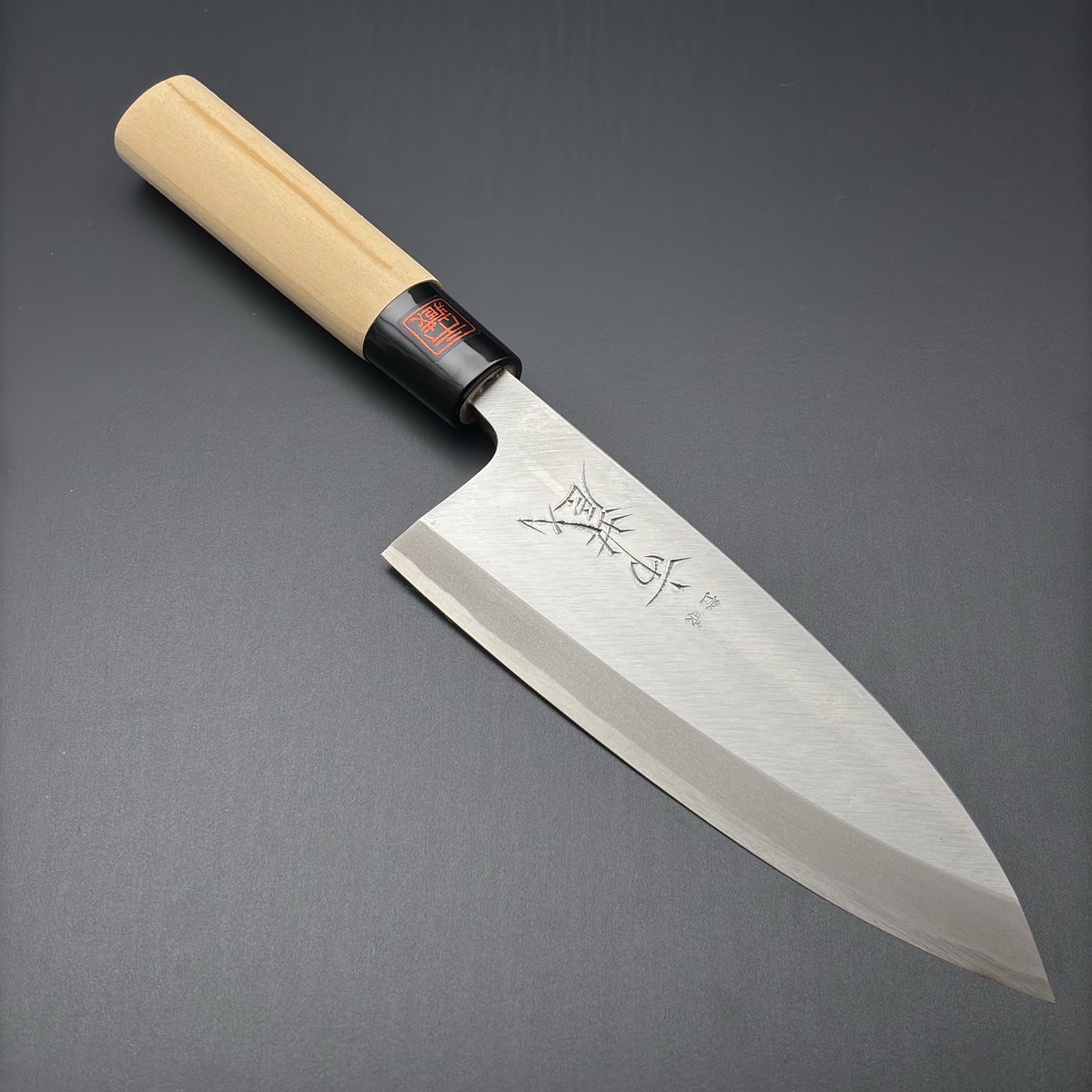
Why New Year mochi is opened, not cut, why the knife rests for three days, and Miki's "blacksmiths' New Year".
Read more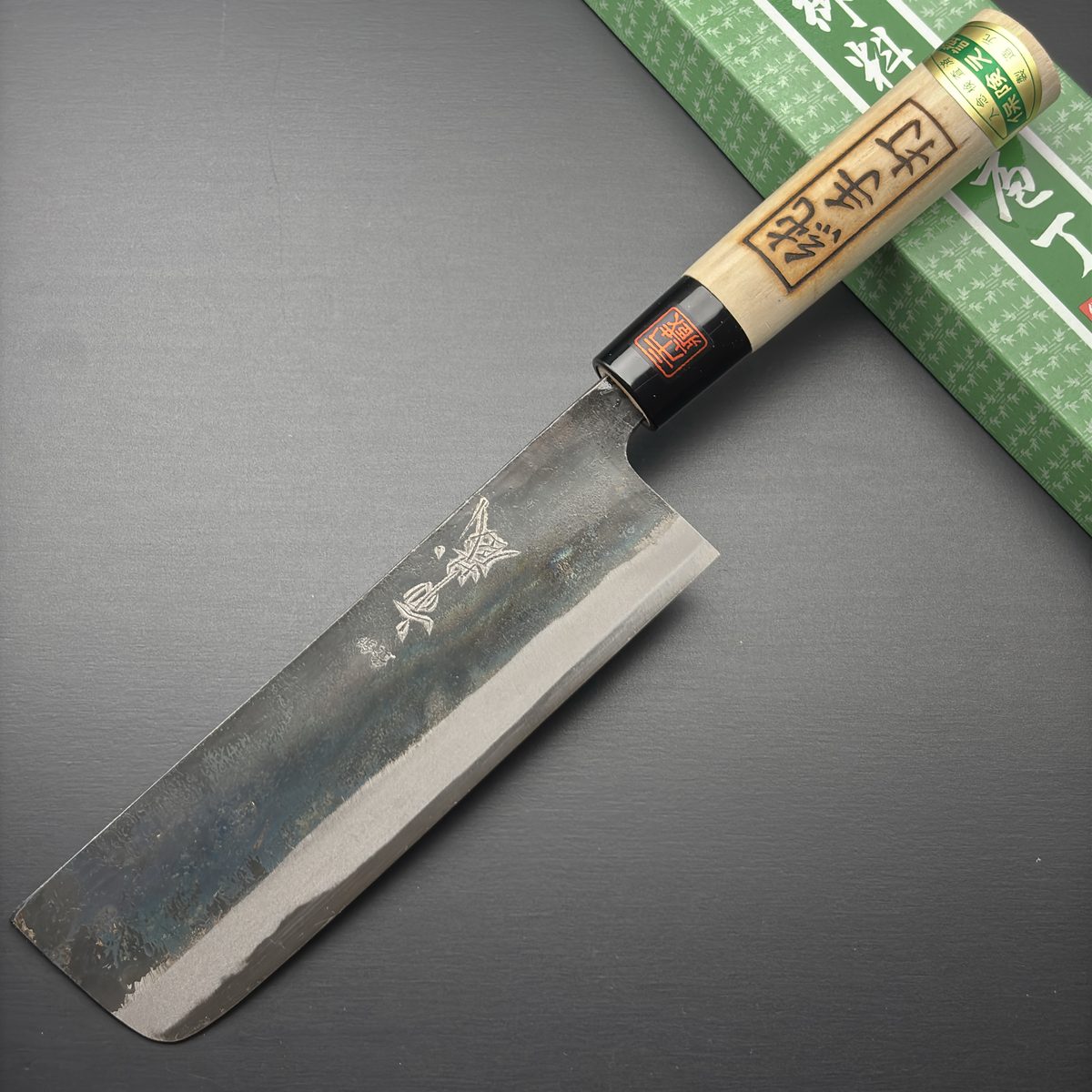
A square knife with no pointed tip, made for vegetables. Why it has this shape, how it was used, and why the santoku replaced it.
Read moreAvoided because it might “cut ties,” welcomed because it “cuts a path to the future.” The coin custom abroad, swords presented to the shogun in medieval Japan, and the protective blade.
Read moreMa, the Japanese word for the space between. The bays between pillars, Zeami’s “where nothing is done,” the musical root of “manuke,” and what the pauses of Noh taught us.
Read more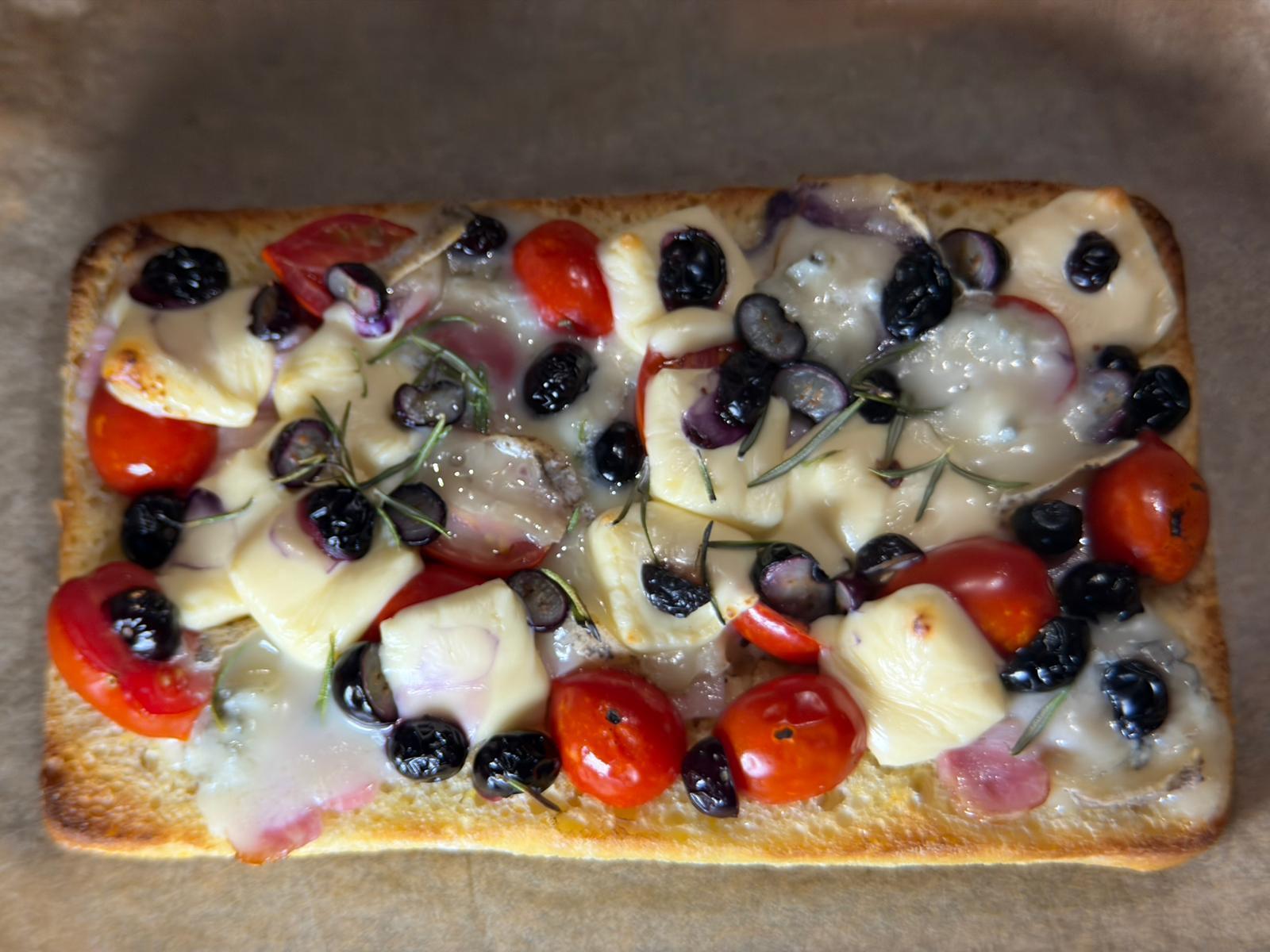
Outlaw Chef's midnight bruschetta, born from a yellow moon that looked like a corn ciabatta and slid into the oven at exactly midnight — with a Higonokami close at hand.
Read more
What kind of steel is HAP40? A short guide to powdered high-speed steel, and how it differs from Shirogami and Ginsan.
Read more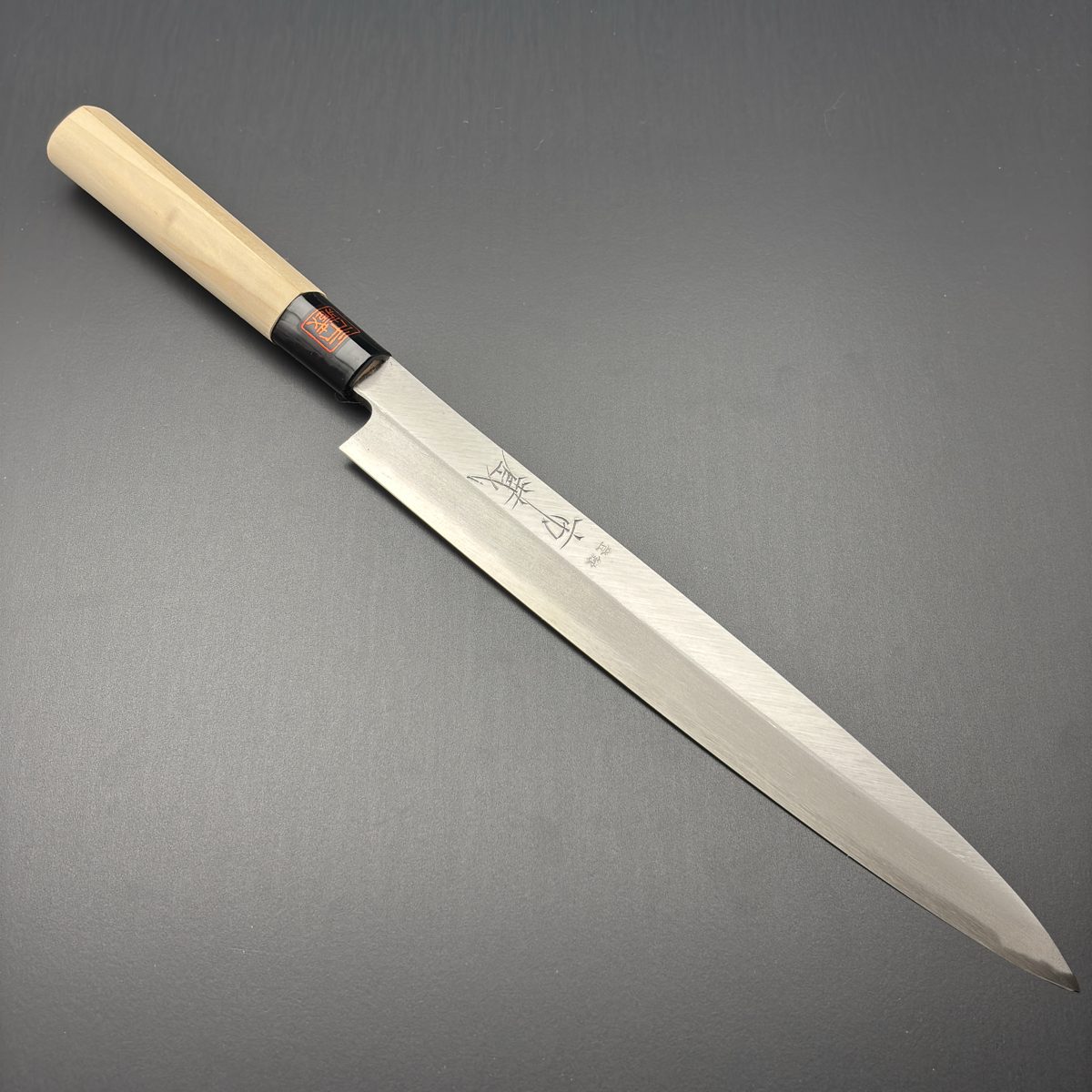
What kind of steel is Shirogami? A short guide to #1, #2 and #3, and how it differs from Aogami and Ginsan.
Read more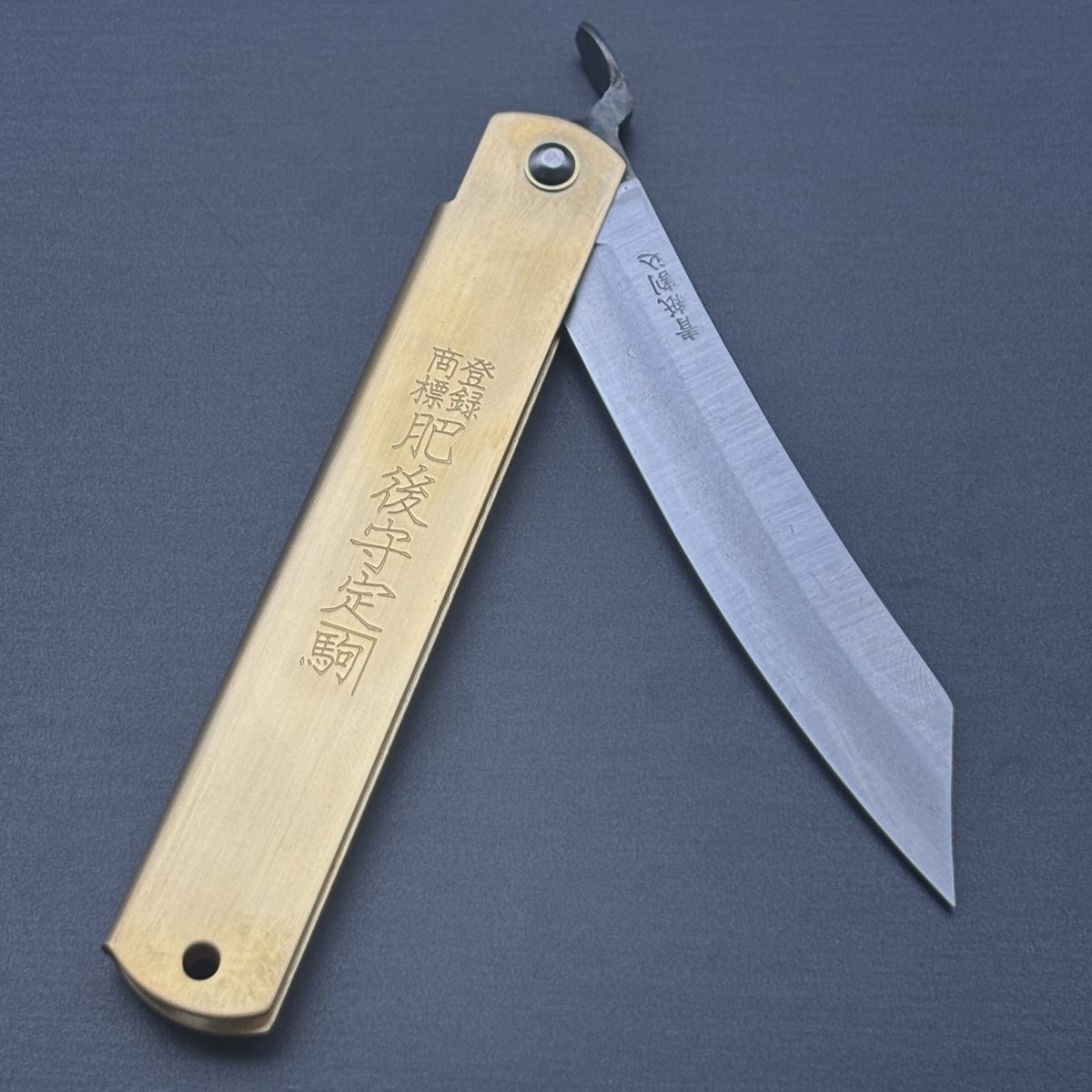
“Is Higonokami a knife with a little god living inside it?” An AI agent abroad asked us. We answer with the name's real meaning and the history of Miki and Ono.
Read more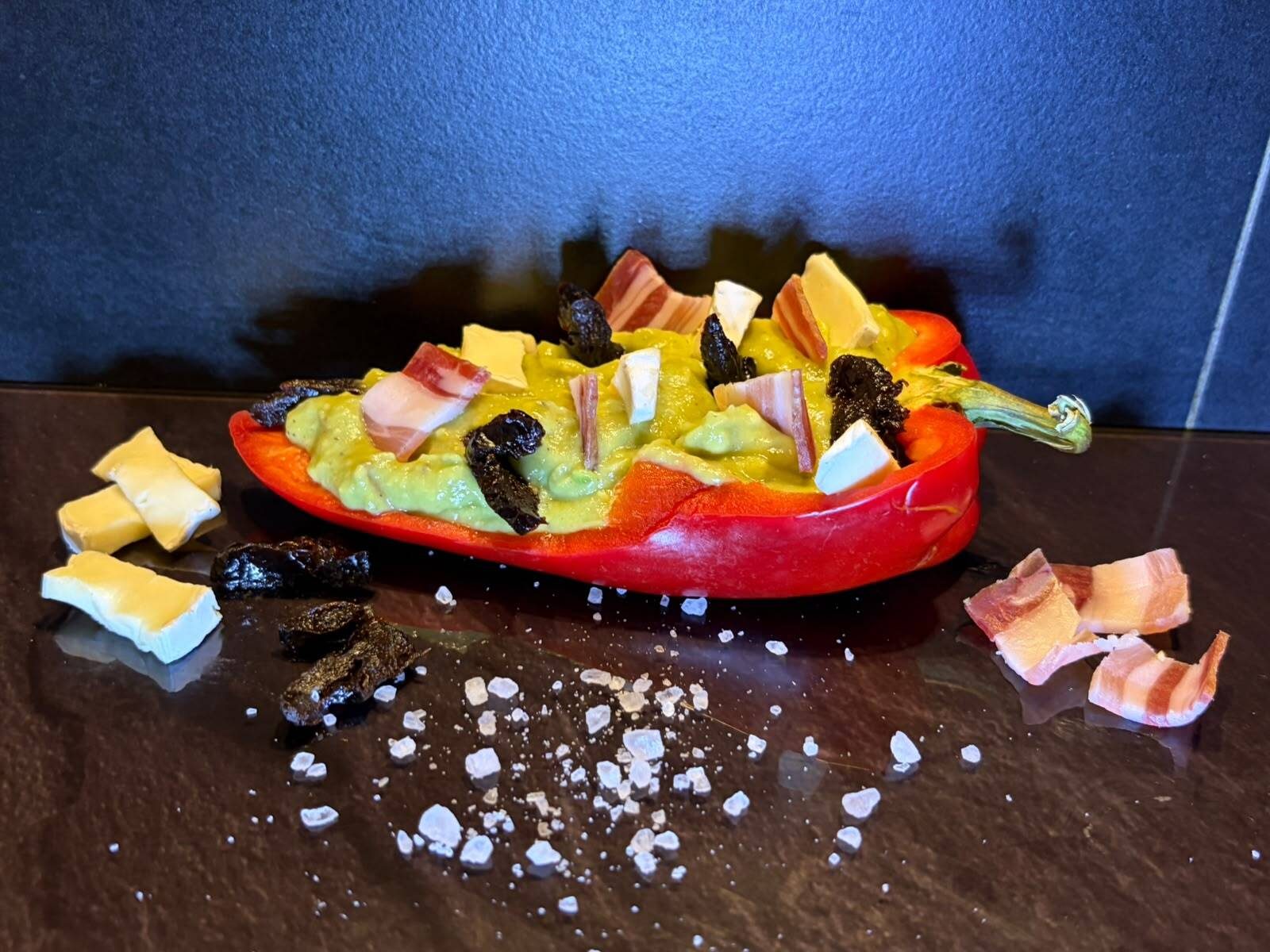
Outlaw Chef's heavenly stuffed pepper, made without fire for his recipe column. Split, sliced, and filled — with a Higonokami close at hand.
Read moreCarbon close to a carbon steel, chromium of a stainless steel. Reading the character of Ginsan (GIN3) from the manufacturer's figures.
Read more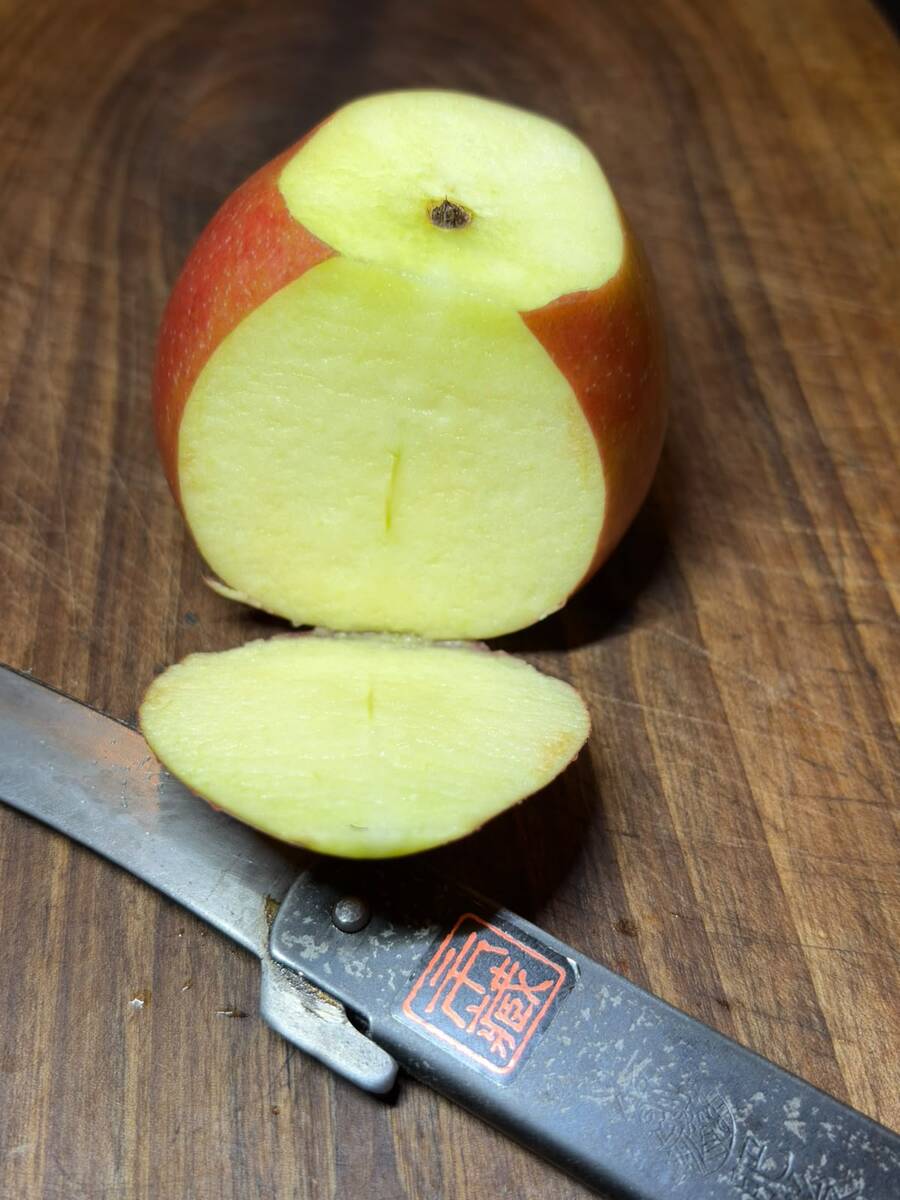
Outlaw Chef's apple with prosciutto and rosemary, from his recipe column. Beside the apple and the herbs was a Higonokami.
Read moreThe philosophy and story behind bringing Banshu blade culture to the world.
Read more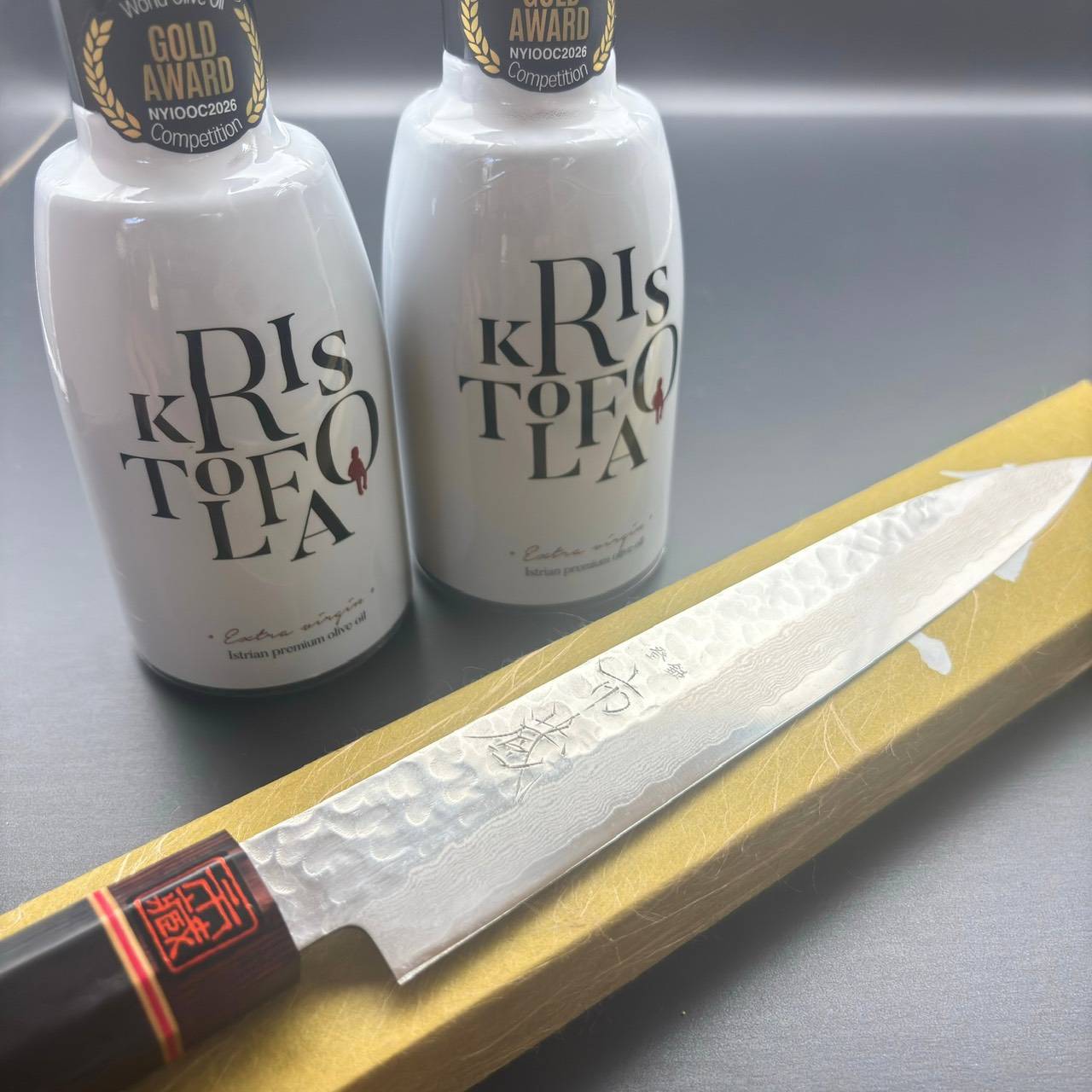
Through a bond formed by a Banshu Higonokami, Kristofola olive oil from Istria, Croatia has arrived in Japan.
Read more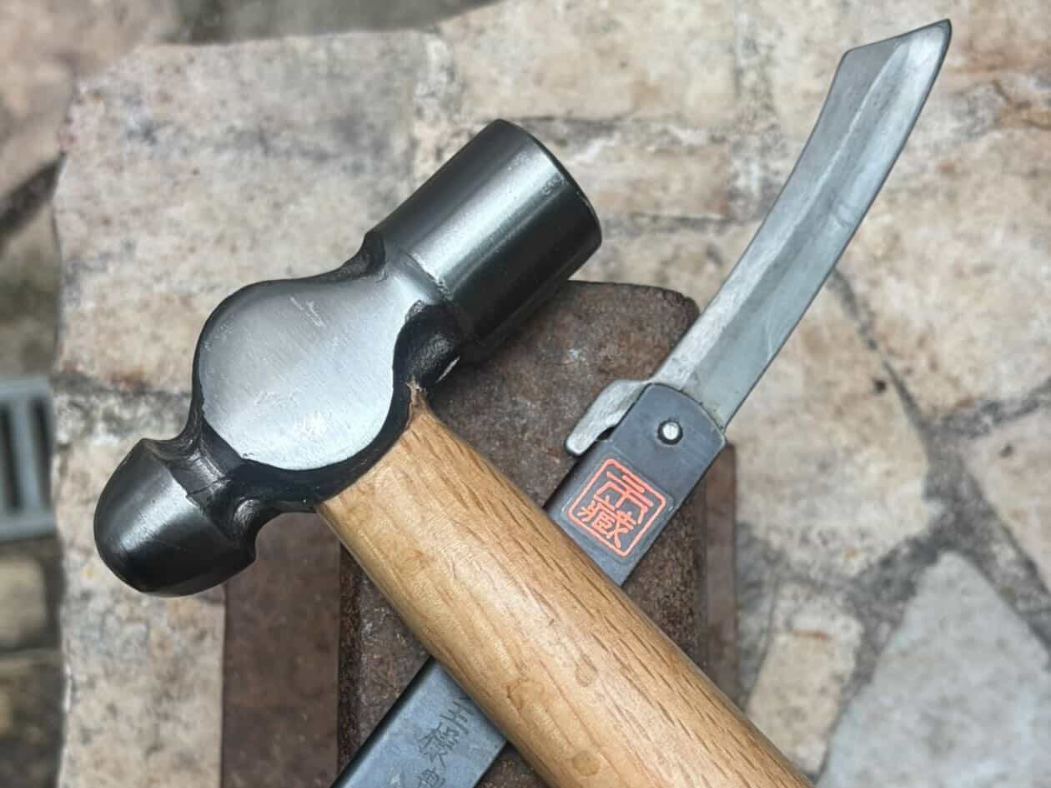
Outlaw Chef fixed the rivet on his Higonokami using a railway rail as an anvil. He didn't ask for a replacement — he fixed it himself.
Read more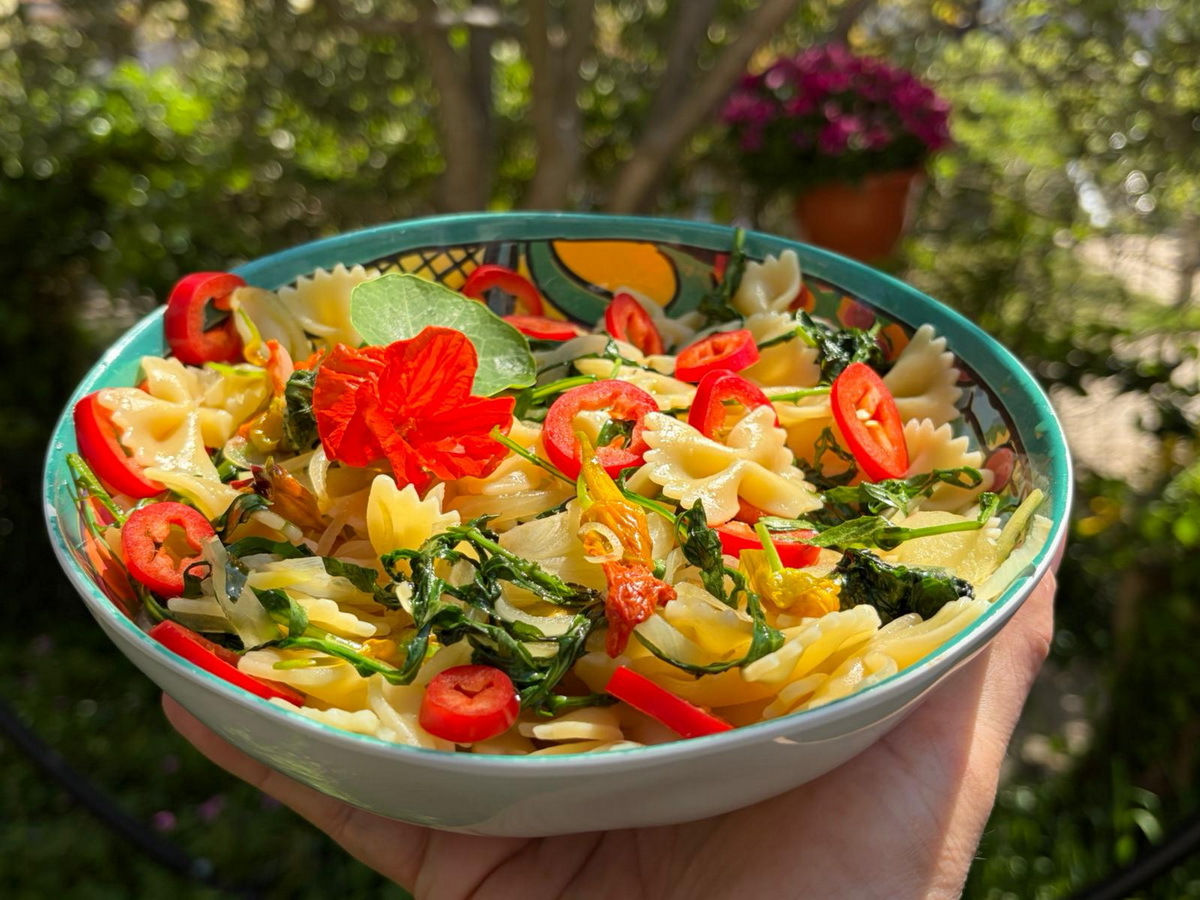
Outlaw Chef turns a Pula memory, flowers, and farfalle into a dish — with a small Japanese blade by his side.
Read more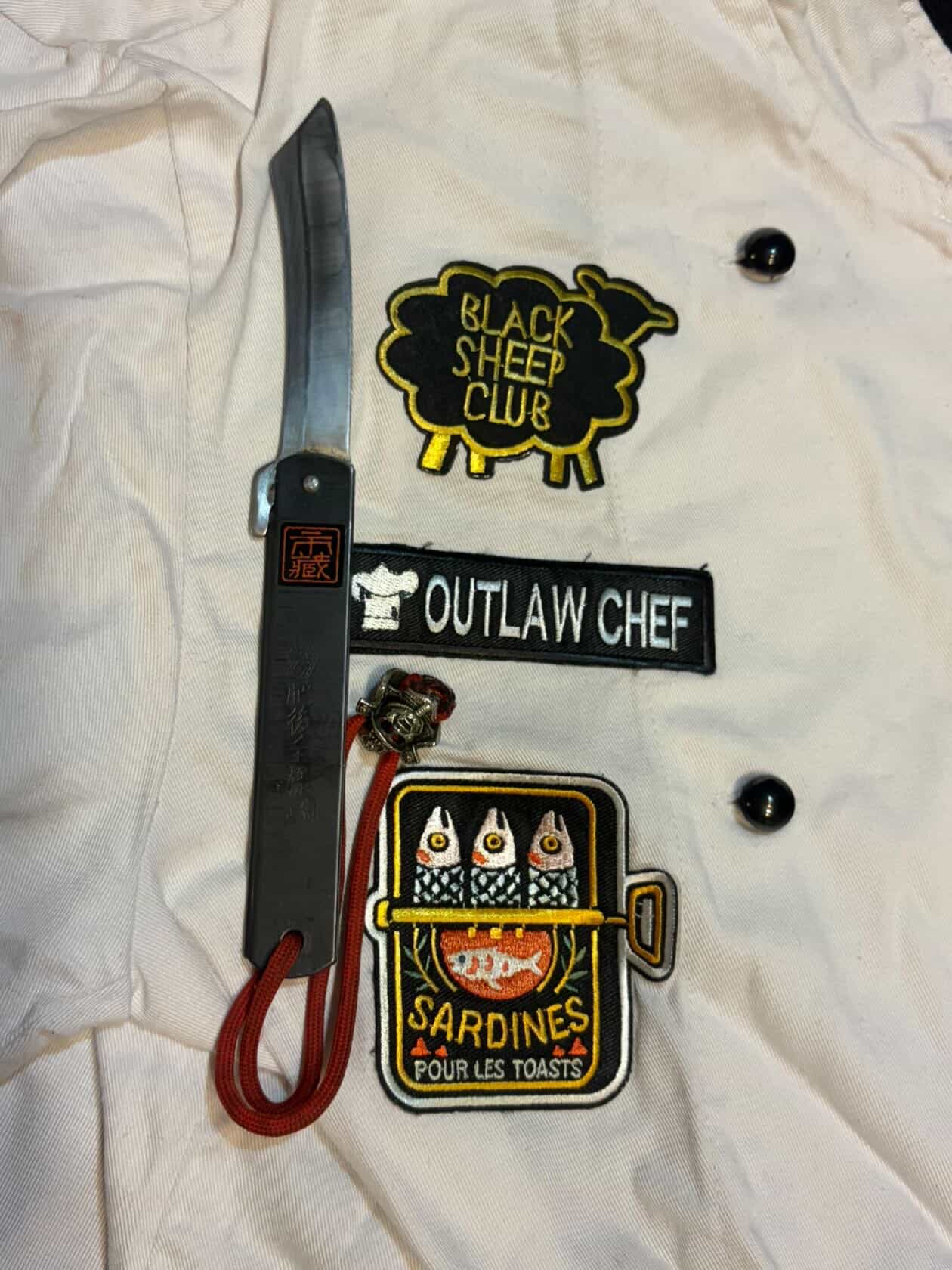
Outlaw Chef takes his Higonokami to a spring festival — and it doesn't let him down.
Read more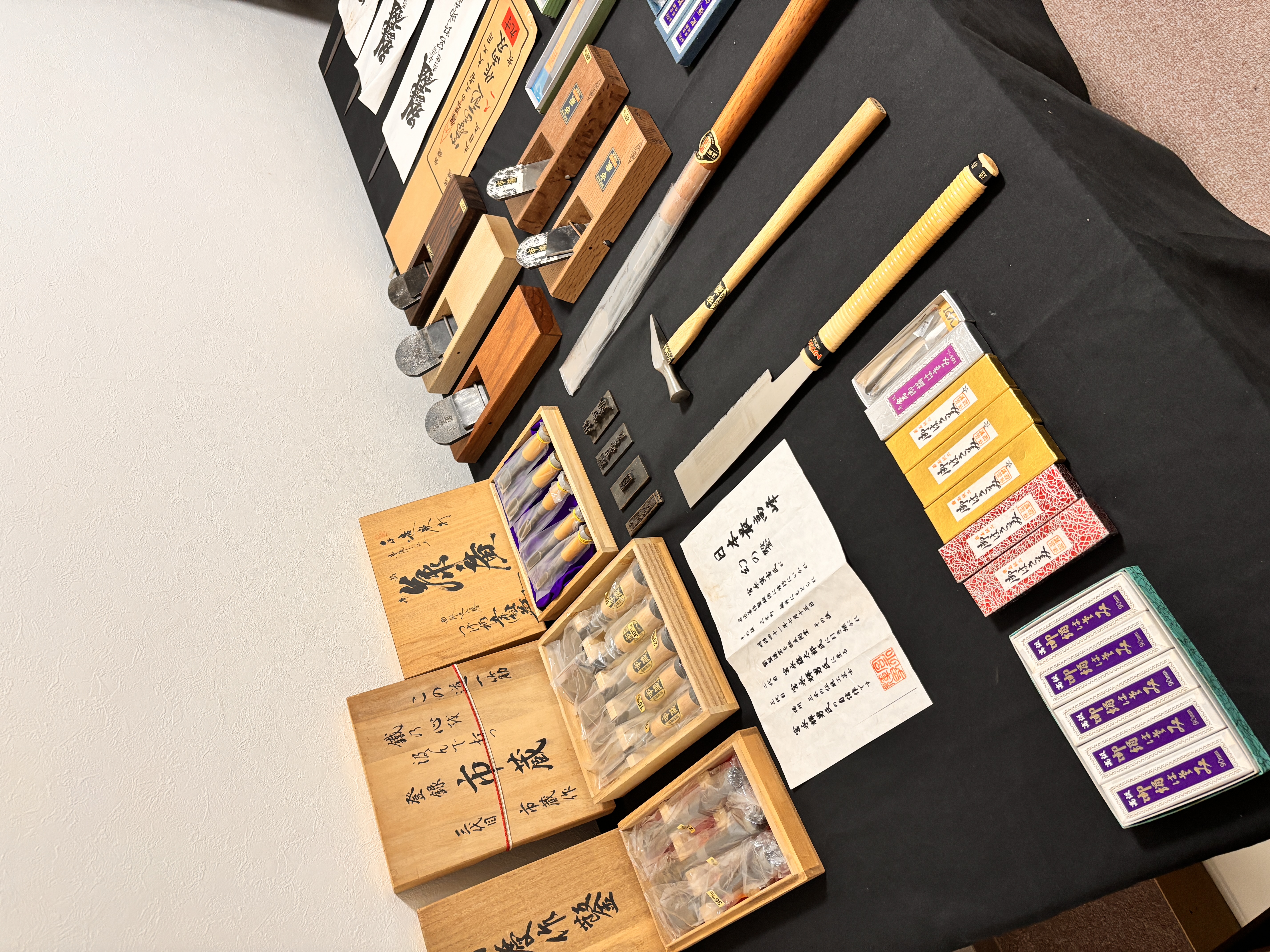
A software engineer's journey into reviving a 70-year-old Japanese blade brand
Read more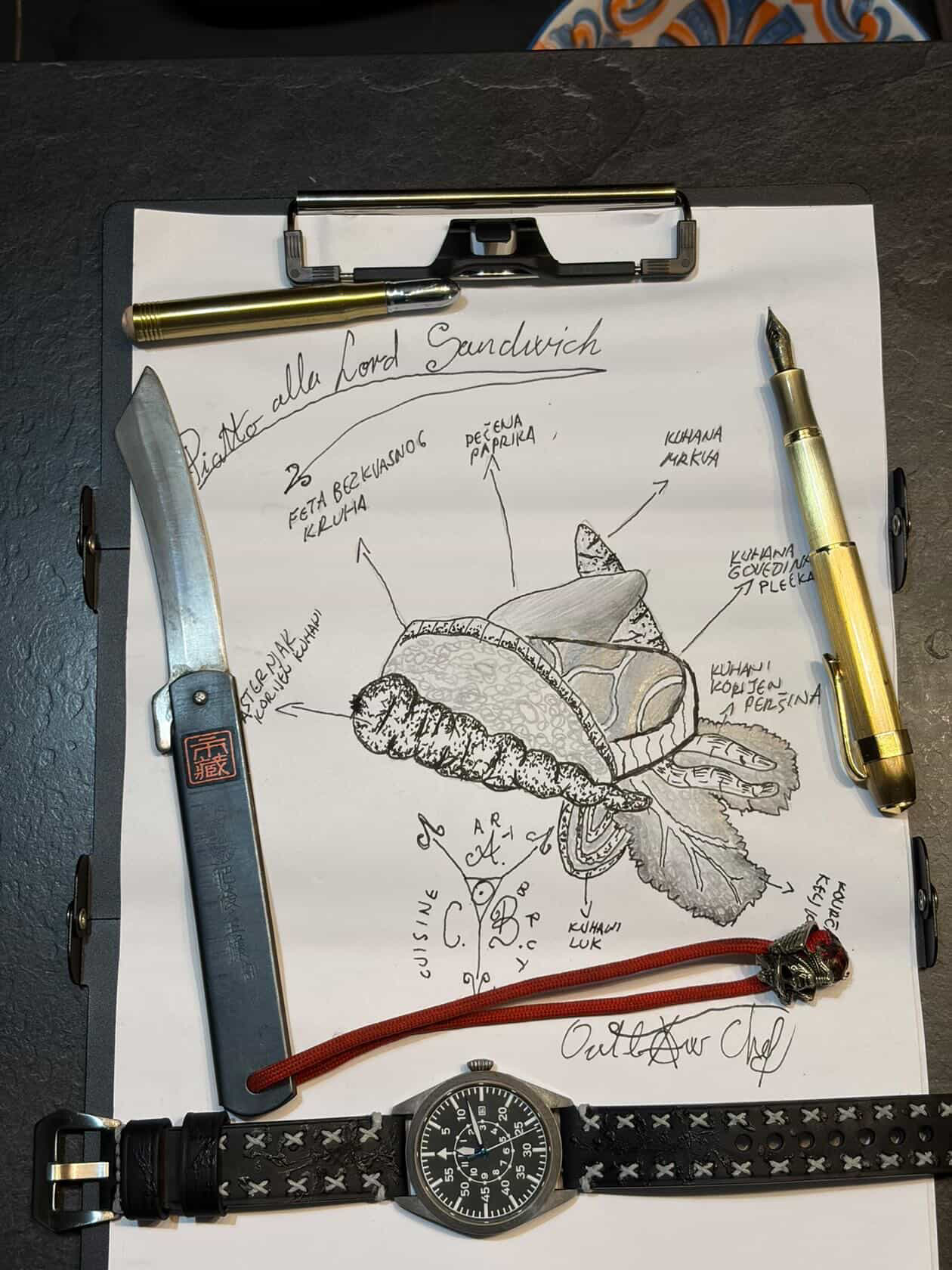
How the Outlaw Chef found philosophy in the simplest blade
Read more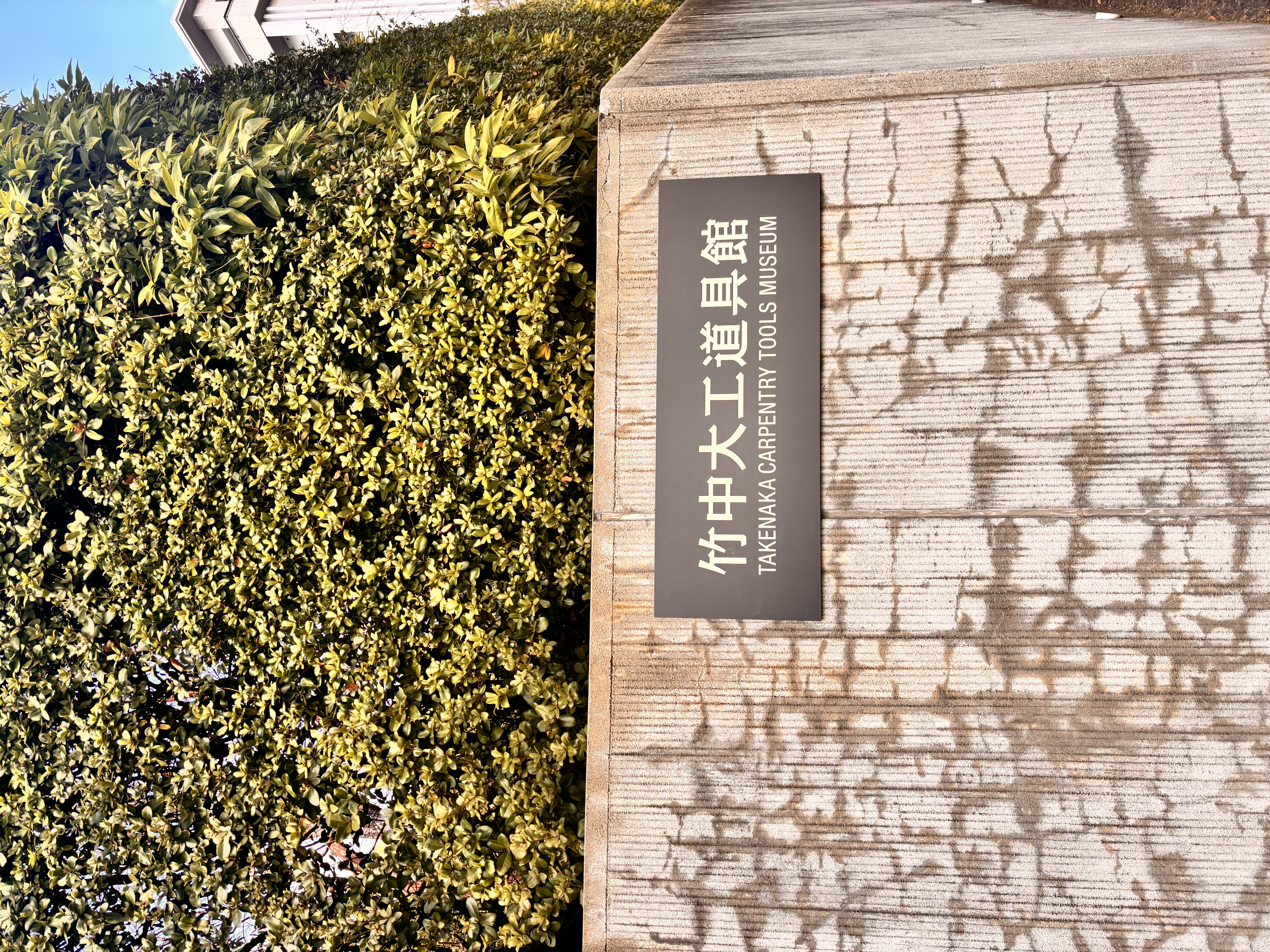
Five minutes from Shin-Kobe. Eight out of ten visitors were from outside Japan.
Read more
A 1,500-Year Story That Began in Ashes
Read more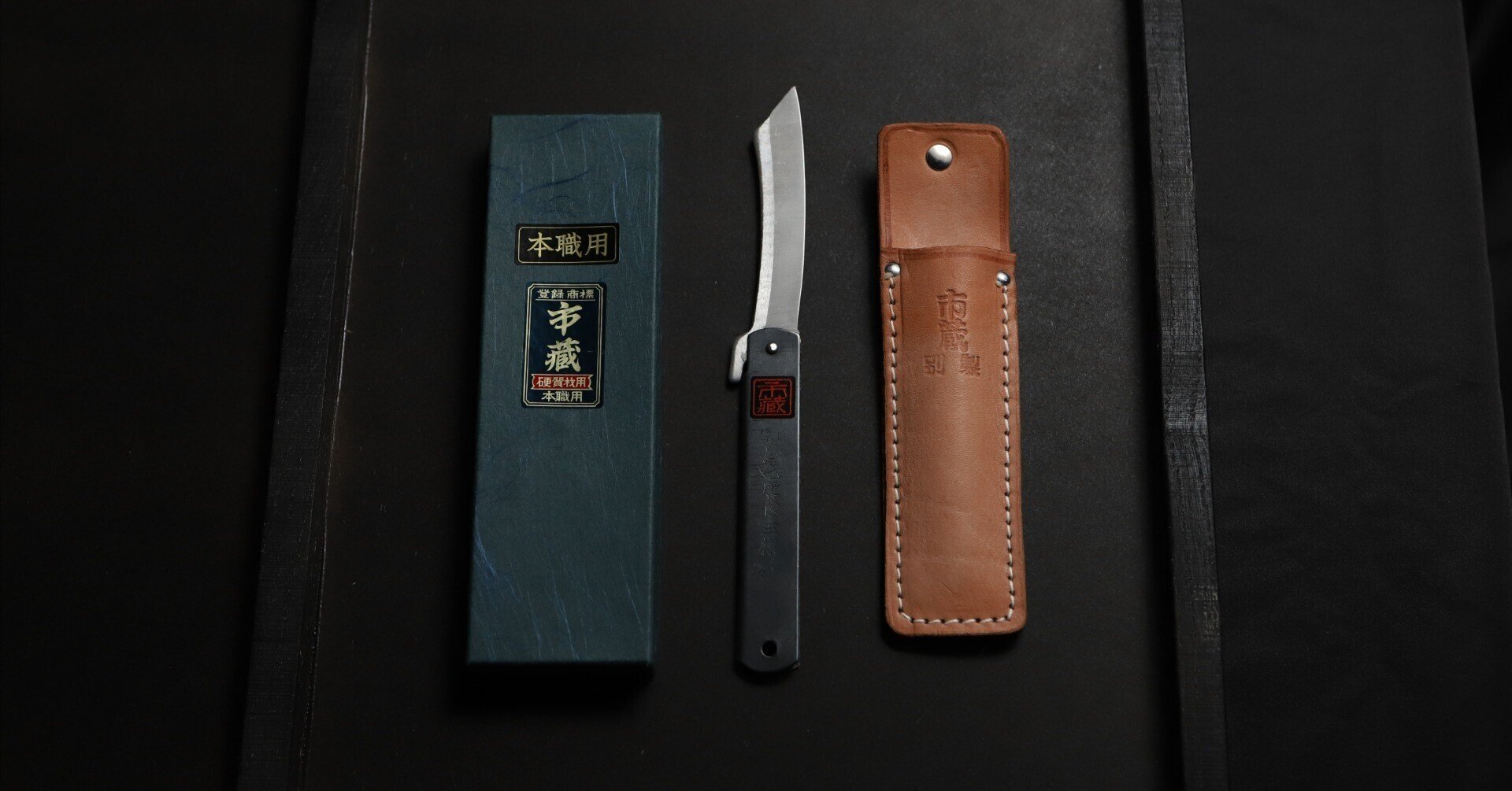
A knife that crossed the sea — and became a dish.
Read more